283/365: National Angel Food Cake Day

Today’s food of honor is a heavenly treat. October 10 is National Angel Food Cake Day!

Angel food cake is the culinary opposite of Devil’s food cake: a light and airy sponge cake made with no fat (butter, cream, or egg yolks). It was named for its angelic light color, and was described as a “food of the angels.” Personally, I think angels would be more into wings, but what do I know? It is made by whipping egg whites until they’re stiff, adding cream of tartar as a stabilizer, and then folding additional ingredients in. The Pennsylvania Dutch, who began mass-marketing bakeware in the early 1800s, are given credit for inventing angel food cake, which perfectly fit the specialized cake mold they developed at the time. The first angel food cakes were baked by African-American slaves in the American south, and soon became a popular post-funeral meal. Perhaps the name had something to do with that? An early recipe for a “snow-drift cake” appears in Mrs. Porter’s New Southern Cookery Book, and Companion for Frugal and Economical, published in 1871, and a recipe for a similar “silver cake” is printed in What Mrs. Fisher Knows About Old Southern Cooking, Soups, Pickles, Preserves, Etc. in 1881. Angel food cake was a favorite of Lucy Webb Hayes, wife of  Rutherford B. Hayes, our 19th President.

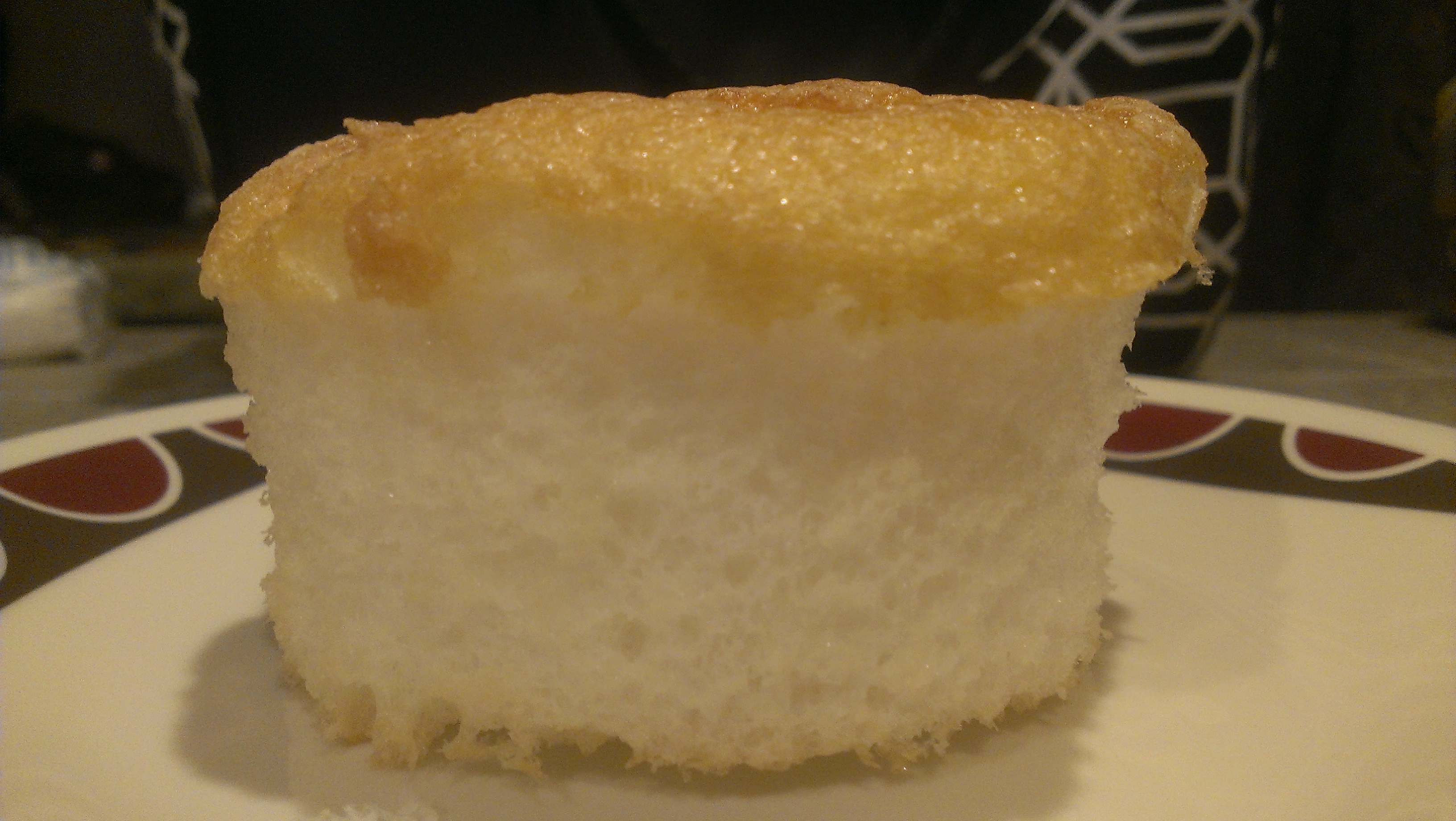
We picked up some mini angel food cakes to celebrate, rather than messing around with making (or buying) a whole cake. They were like angel food cupcakes (though sadly, without frosting) and were just freakin’ adorable. I wanted to hug mine. But I ate it instead, with a cup of coffee before work.
National Angel Food Cake Day

Categories: Desserts | Tags: , , , , | 3 Comments

282/365: National Moldy Cheese Day*

You’re probably feeling blue if you aren’t into mold, but I’m a fun guy, so I was excited for this holiday. October 9 is National Moldy Cheese Day!

Quit turning your nose up. It’s also National Submarine-Hoagie-Hero-Grinder Day, but where’s the fun in that? Besides, we’ve already celebrated hoagies this year. If the thought of eating moldy cheese disgusts you, get over it. Most cheeses are made with mold! Some, of course, are moldier than others, and that’s the point of today’s holiday. Think blue, gorgonzola, roquefort, or stilton. These last three all carry a “protected designation of origin” in the European Union, meaning they must be made in a particular region or country to be labeled with those names. Blue cheeses without the protected origin name are simply called “blue cheese” (or, alternatively, bleu cheese).

Blue cheese is injected with penicillium mold cultures and aged in temperature-controlled environments. Not surprisingly, it was discovered by accident, when cheese stored in caves developed a harmless type of mold. Hats off to the first person who actually decided to take a bite! Roquefort appears in texts dating back to 79 AD, so folks have been feeling blue for a long, long time. Gorgonzola was created around 879 AD, while Stilton didn’t appear until the 18th century.

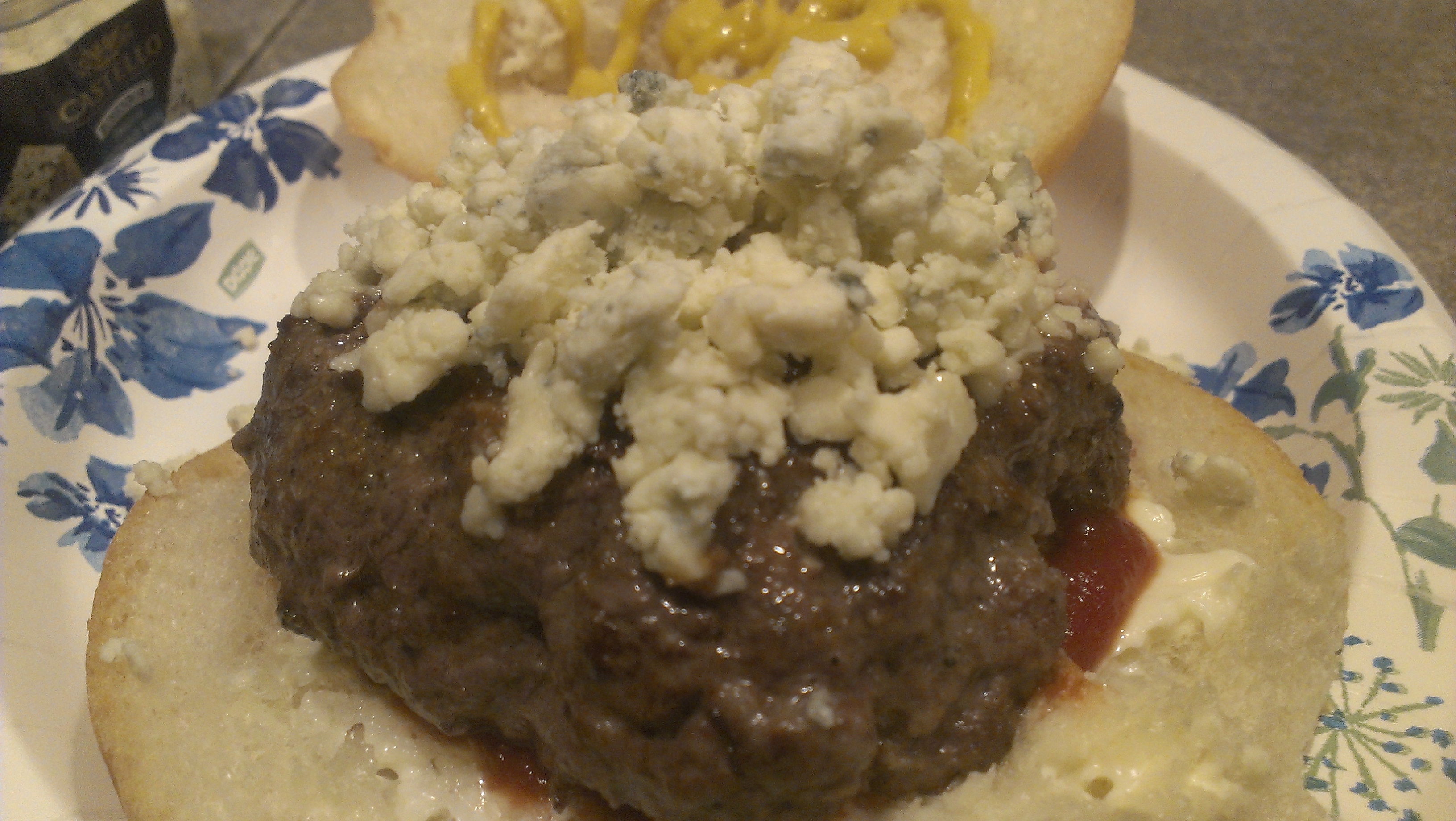
I’m a big fan of blue cheese, so I for one was looking forward to this holiday. Tara, on the other hand? Not so much. So I find it highly suspicious that she got sick today and had to leave work early with a bad cold. Hmm. Blue cheese dressing would have been the obvious and easy choice, but I consider myself a bit of a Renaissance man. Which mean, a hamburger topped with blue cheese crumbles instead. Delicious! And to her credit, my “sick” wife did take her requisite bite of the burger. (OK, I’ll take away the quotation marks. She really is sick, poor thing. I’m just glad this was a relatively easy challenge and did not require a trip to a restaurant or a lot of serious baking).

National Moldy Cheese Day

Categories: Dairy | Tags: , , , , , , | 5 Comments

281/365: National Pierogi Day*

The food of honor today is very filling, but you’ll still Polish off your plate. October 8 is National Pierogi Day!

It’s also National Fluffernutter Day, and while that’s a fun word to say out loud – go ahead, do it – the combination of peanut butter and marshmallow creme is much too sweet for my palate. I’d prefer to honor my heritage (Eastern European) instead, so we decided to celebrate the lowly pierogi.

I say lowly because the pierogi – a dumpling traditionally stuffed with mashed potatoes, sauerkraut, ground meat, cheese, or fruit, that is first boiled and then either fried or baked – was long considered a peasant dish. Similar to Russian pelmini, pierogi (also known as perogi, pyrogy, perogie, perogy, pirohi, piroghi, pirogi, pirogen, pierogy,pirohy, pyrogie, and pyrohy) originated in Poland in the 13th century as an answer to Italy’s ravioli, and were popular with Poles, Czechs, Slovaks, Russians, and Ukrainians. Eastern European immigrants in the late 19th century brought their favorite pierogi recipes to America, and remain especially popular in the Northeastern states. They became a staple of ethnic church fundraisers following World War II, and began appearing in the frozen food aisles of supermarkets in the 1960s. To this day, the Pittsburgh Pirates feature a costumed Great Pierogi Race during all home games featuring contestants dressed in pierogi costumes: Jalapeño Hannah, Cheese Chester, Sauerkraut Saul, and Oliver Onion. Seriously, folks. I am not making this up.

Pierogi are easy to come by around here, as there is a large local Eastern European population in and around the Portland metropolitan area. But since our neighborhood European market was closed when we stopped by, we ended up picking up a box of frozen Mrs. T’s. Potato and cheddar pierogies, to be exact. They made a tasty appetizer for tonight’s dinner.

National Pierogi Day

Categories: Pasta | Tags: , , , , , , | 9 Comments

280/365: National Frappé Day

Today’s food holiday may have you foaming at the mouth. October 7 is National Frappé Day!

National Frappé DayIf you’re wondering what a frappé is, well, it’s all Greek to me. No, really: the frappé was invented in Greece in 1957 and is considered the national beverage, popular with both locals and tourists alike. During an International Trade Fair in Thessaloniki, Nestlé  was demonstrating a new beverage geared toward children: an instant chocolate drink made by combining chocolate with milk and mixing it together in a shaker. “New” product?! This sounds suspiciously like chocolate milk to me! In any case, a Nestlé employee, Dimitris Vakondios, was craving coffee but couldn’t find any hot water nearby, so he mixed instant coffee in the shaker with cold water and ice cubes, accidentally inventing a delicious, frothy beverage. The word frappé is French in origin, and refers to anything chilled. In the past couple of decades frappés have become popular around the world; in the U.S., they refer to either a chilled or frozen iced coffee drink. Starbucks’ Frappuccino is one popular version, but even McDonald’s has recently gotten into the act with the introduction of their own frappé.

Speaking of the Golden Arches, we grabbed a caramel frappé from there to split this morning. All things considered, it wasn’t bad, but a little on the sweet side.

Categories: Beverages | Tags: , , , , , , | 2 Comments

279/365: National Noodle Day

Generations both pasta and present have had a hankering for today’s celebrated food. October 6 is National Noodle Day!

Noodles are an ancient food dating back thousands of years: archaeologists recently unearthed a bowl along the Yellow River in China that contained 4000 year old preserved noodles. It was determined they were made from millet and formed by repeatedly stretching and pulling the dough by hand. The word is derived from the German nudel which, unfortunately, we have as yet been unable to translate. Noodles can be made from almost any type of dough, including wheat, rice, potato, maize, nut, and buckwheat. Once the dough is rolled flat, it is cut into a variety of shapes such as long, thin strips; bows; tubes; and pentagrams. They must be boiled in order to bring their texture back to life. Noodles are popular in many cultures around the world, particularly in Asian and Italian cuisine. Instant noodles were invented in 1958 and have revolutionized the ramen industry, bringing joy to starving college students everywhere.

With so many different varieties of noodles available, we had trouble narrowing down how best to celebrate today’s food holiday. We finally decided to go simple and pick up some fresh pasta from Pastaworks, a great Italian deli/grocery store (or as they call themselves, “European market”) on Hawthorne Boulevard in Portland. We opted for freshly made rotini, since it was more of a “noodle” than, say, ravioli would have been. Paired with their marinara sauce and a baguette, we ended up with a quick and delicious meal!

National Noodle Day

Categories: Pasta | Tags: , , , , , , | 2 Comments

278/365: National Apple Betty Day

An apple a day might keep the doctor away, but it won’t keep Betty from crashing your party. October 5 is National Apple Betty Day!

Apple Betty (also known as Apple Brown Betty, Brown Betty, Apple Crisp, and Apple Crumble) is an American dessert dating back to Colonial times. It’s like a cross between a cobbler and a bread pudding, and consists of layers of apple seasoned with cinnamon, nutmeg, and brown sugar, and buttered or sweetened bread crumbs. It reminds me of a deconstructed apple pie (I’ve always thought “deconstructed” was a cop out chefs use when they run out of time to properly finish a dish). The recipe first appeared in print in the Yale Literary Magazine in1864, though there is no record of who Betty was, or why she had a dessert named after her. We do know that the “brown” refers to the brown sugar used to sweeten the apples, and that it was a favorite dessert of Ronald and Nancy Reagan.

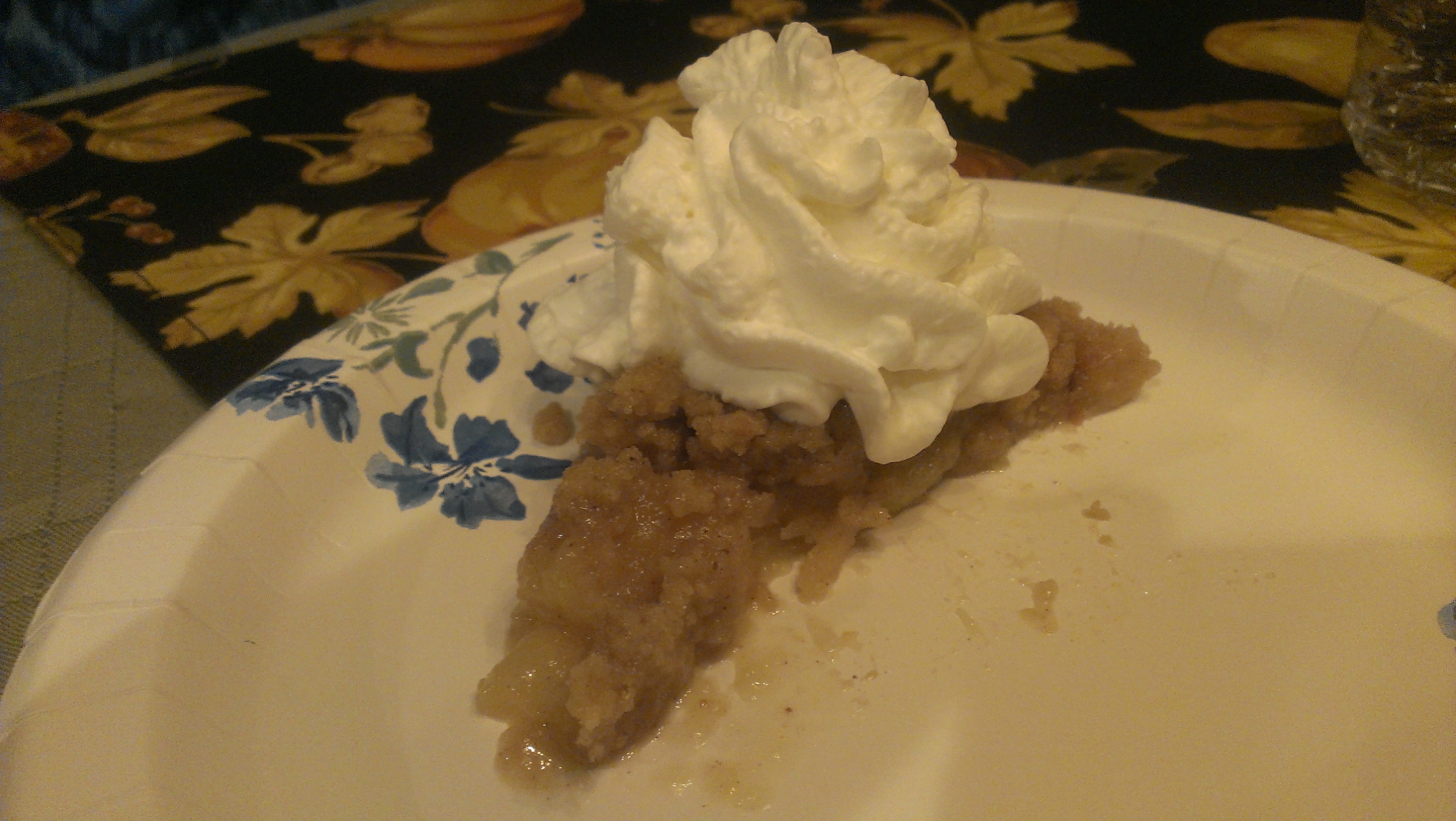
My mom once again helped out with this challenge. She made an apple betty and brought it over for dinner. Tara’s mom, Tracy, is in town visiting for the weekend, so we all had dinner together. Mad props to my mother-in-law for making a perfect whipped cream swirl on top of the apple betty. Which, by the way, was wonderful! It was like an apple pie with a crumb topping instead of a crust. Delicious stuff. Thanks, moms!

IMAG1699

Related articles

Categories: Desserts | Tags: , , , , , , , , , | 5 Comments

277/365: National Taco Day*

Even gringos will shout “ole!” when digging into today’s food of honor. October 4 is National Taco Day!

It’s also National Vodka Day, and that’s a shame; a more appropriate pairing would be tequila or margaritas, but alas, both have already had their day in the sun. Tacos always sound good, but vodka is tasteless, so we had no problem deciding which of today’s dual food holidays we would celebrate.

Viva la taco!

Tacos originated in Mexico (duh) and consist of a tortilla wrapped around a filling. The name is generic; like a “sandwich,” a taco can consist of pretty much anything that fits inside the tortilla. The sky’s the limit when it comes to ingredients and toppings; popular fillings include beef, pork, chicken, and seafood, and toppings such as lettuce, onions, tomatoes, salsa, guacamole, and sour cream are all common. The word “taco” originated in 18th century Mexican silver mines; it was the name given to an explosive charge that was wrapped in paper, filled with gunpowder, and used to break up the ore. The tortilla-and-meat combo resembled this little bomb (and could also be considered a “gut bomb” in its own right, depending on the spiciness level). Tacos date back centuries; early inhabitants of the Valley of Mexico enjoyed theirs with small fish, while residents of Morelos and Guerrero preferred live insects such as ants (shudder), and those in Puebla and Oaxaca opted for locusts and snails. The first taco recipes in the U.S. appeared in California in 1914; in Bertha Haffner-Ginger’s California Mexican-Spanish Cookbook, tacos were described as “made by putting chopped cooked beef and chili sauce in a tortilla made of meal and flour; folded, edges sealed together with egg; fried in deep fat, chile sauce served over it.” Tacos became especially popular in America after World War II, where Mexican-Americans introduced them to their caucasian soldier buddies. (We, in turn, gave them Twinkies).

To celebrate, Tara and I headed into Portland to check out ¿Por Que No?, a tacqueria that gets a lot of good press and that we had been meaning to try for some time. They did not disappoint! We sampled carnitas, chicken, chorizo, and brisket tacos amongst us, and found them all to be very good. Best of all, the line that usually snakes halfway down the block was only about a dozen people deep when we arrived, so we didn’t have too terribly long a wait to contend with.

National Taco Day

Categories: Too Weird to Categorize | Tags: , , , , , , | 3 Comments

276/365: National Caramel Custard Day

Today we celebrate a food that is known by several names: it is called either caramel custard, crème caramel, or flan, depending on where in the world you are ordering it. Officially, October 3 is National Caramel Custard Day!

Caramel custard is like crème brûlée, but with a layer of soft caramel on top instead of a hard caramel coating. It used to be especially popular in European restaurants; explains food historian Alan Davidson, “In the later part of the 20th century crème caramel occupied an excessively large amount of territory in European restaurant dessert menus. This was probably due to the convenience, for restaurateurs, of being able to prepare a lot in advance and keep them until needed.” Nowadays, it’s harder to find in Europe, but is extremely common in Latin American countries, where it is eaten with dulce de leche.

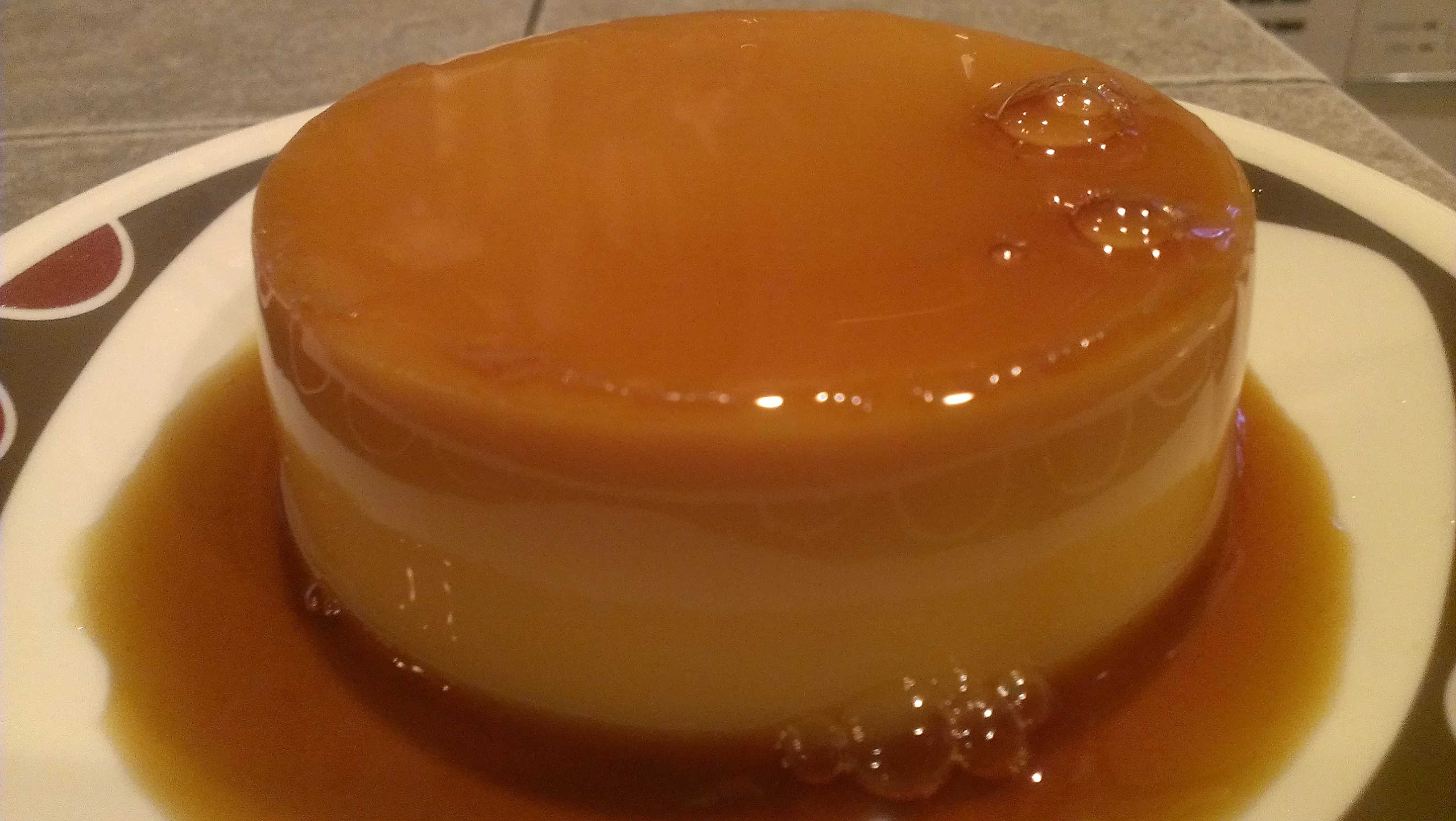
It’s a little tricky to prepare, requiring the use of a ramekin and a water bath, but at least you don’t need a blowtorch as you do when preparing an authentic  crème brûlée. I’ll admit, I was a little nervous heading into this holiday, because the last time custard was on the menu, it was a near-disaster. It didn’t set right, melted during transport (this was during our spontaneous road trip to Ely), and was an unappealing “watery sour cream” color and consistency. Blech. Easily the most challenging of our challenges to date. Fortunately, we had much better luck with the caramel custard. We bought a packaged flan mix in the grocery store, and Tara prepared it for dessert. This time everything set up perfectly! We found the consistency a little unusual – not as smooth and creamy as pudding – but the flavor wasn’t bad. And it looked beautiful!

National Caramel Custard Day

Categories: Desserts | Tags: , , , , , , , , | 6 Comments

275/365: National Fried Scallops Day

You may have to shell out a few bucks to enjoy today’s food of honor, because it’s a delicacy from the sea. October 2 is Fried Scallops Day.

Scallops are one of my favorite seafoods, and everything tastes better fried. This should be a match made in heaven! But, because I enjoy scallops so much on their own – seared and/or sauteed are delicious – I almost think frying them is a waste. In my opinion, they’d be better straight up. Fortunately, we already enjoyed baked scallops earlier this year. If you want the history of this prized seafood, click on the link. We also divulged in Coquille St. Jacques, a French dish made with scallops, back in May, so we’ve definitely paid homage to the succulent bivalve.

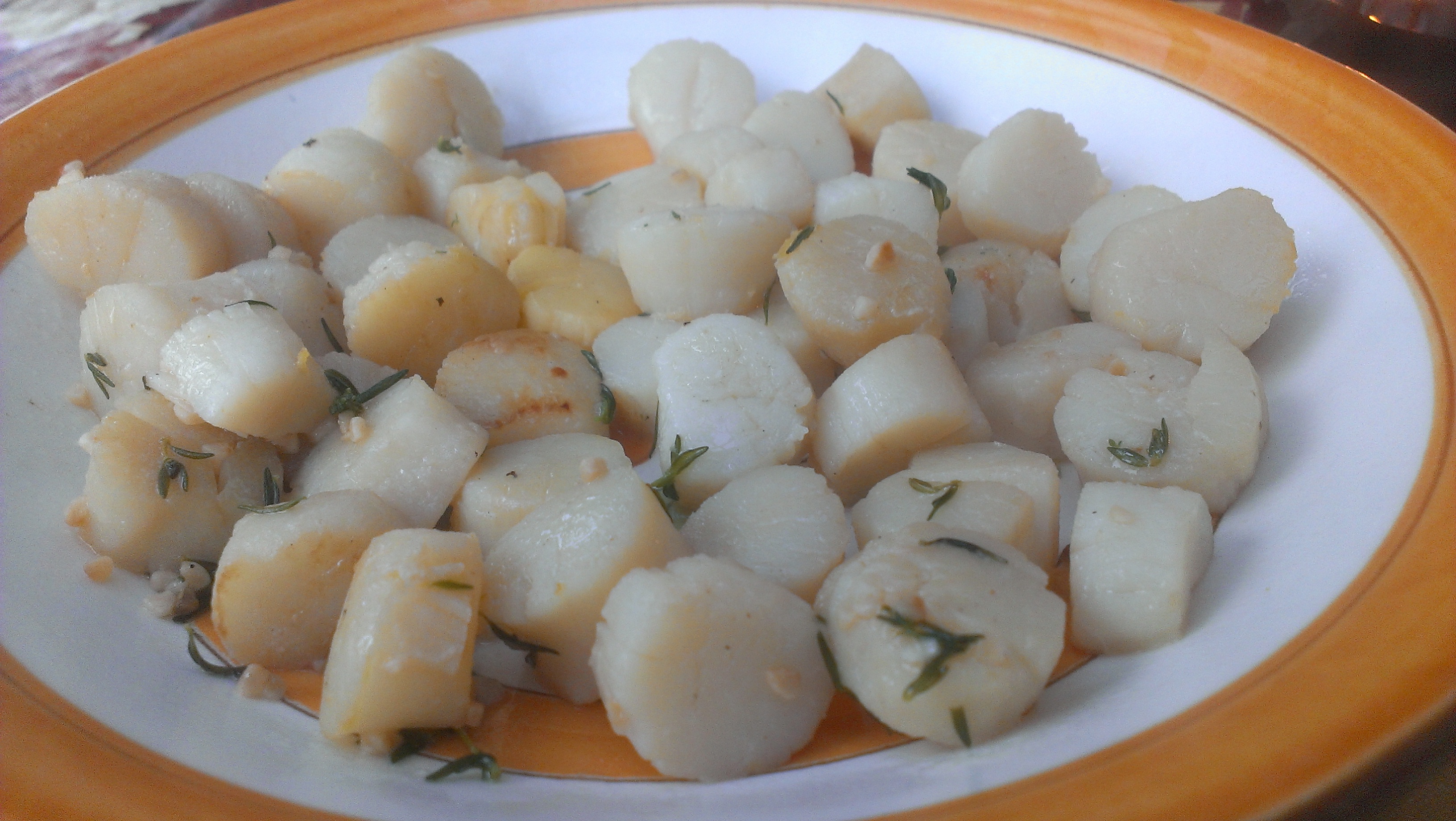
To celebrate, my mom offered to take over the cooking reins for this challenge. She pan fried some wild caught Patagonian scallops with white wine and fresh herbs, and served them as an appetizer. They were divine! Thanks, mom!! (Looking forward to your comment below).

National Fried Scallops Day

Categories: Seafood | Tags: , , | 4 Comments

274/365: National Homemade Cookies Day*

Bad news if you’re a Keebler elf: today’s holiday just might put you out of business. October 1 is National Homemade Cookies Day!

It’s also World Vegetarian Day, but when given the choice between cauliflower and cookies, that’s a no-brainer. I’ve talked about cookies many times in this blog already, so there’s no need to rehash any of that. There’s something about homemade cookies fresh from the oven that awakens the inner kid in us all. I remember visiting my great-grandparents in Trenton when I was a wee lad o’ 6 or 7; they would always put out a container of potato chips and a platter of homemade chocolate chip cookies. Those were the best: rich, slightly chewy, and bursting with flavor. Sadly, homemade cookies are sort of a lost art these days, with all the prepackaged stuff (not to mention the refrigerated dough that only requires you to slice into uniform circles and stick in the oven). Come on, folks…that’s not baking!

The art of making cookies from scratch.

The art of making cookies from scratch.

Tara happens to have some really good recipes for homemade cookies, so I turned all the prep work for this holiday over to her. She says…

It’s that time of year and I’ve been craving one of my favorite autumn season cookies; Pumpkin Chocolate Chip!  These cookies are special for me because I’m reminded of growing up in Springville, UT.  One of the local grocery stores sold these cookies only during certain times of the year…at least from what I remember (feel free to correct me, Mom). Anyway, we never had much money and it was always such a treat to splurge on those cookies.  And then I moved away, grew up, and got married.  For years I kept an eye out for them in the local stores and for any similar recipe in cookbooks.  It was four years before we got our first computer when I finally found the recipe I still use today. 

Pumpkin Cookies
from the kitchen of Elk Creek Ranch; Island Park, ID

1 cup brown sugar
1 cup canned pumpkin
1/2 cup veggie oil
1 tsp vanilla
2 1/2 cups flour
1 tsp baking soda
1 tsp baking powder
1/2 tsp salt
1/2 tsp cinnamon
1/2 tsp nutmeg
1/4 tsp ginger
1 cup chocolate chips

Preheat oven to 350F.  Blend sugar, pumpkin, oil, and vanilla.  Sift dry ingredients and add to pumpkin mixture.  Stir until smooth.  Add chocolate chips.  Drop by spoonfuls onto baking sheet.  Bake 12-15 minutes.

National Homemade Cookie Day

Categories: Desserts | Tags: , , , | 5 Comments

Create a free website or blog at WordPress.com.