Monthly Archives: February 2013

59/365: National Chocolate Souffle Day

We rose to the occasion today in order to celebrate National Chocolate Souffle Day: Tara and I decided to have a chocolate souffle bake-off. Keep in mind, neither of us had ever made a souffle of any kind. We’ve watched enough cooking shows over the years to know that souffles have tripped up many a good chef before, so I’ll admit it: I was apprehensive going into the challenge. How’d we fare? Read on!

Souffle is French for “gonna collapse on your ass.” They can be either savory or sweet, and are traditionally baked in ramekins. European cooks during the Renaissance often used whisked egg whites in desserts, but it wasn’t until the invention of meringue that the souffle was perfected. The secret to a good meringue is to whip it. Whip it good. Famed French chef Antoine Beauvilliers (once the personal chef of none other than Louis C.K. – oops, got that wrong, King Louis XIV) – is believed to have served the first souffles at his restaurant, La Grande Tavern, in the late 18th century; he later published a cookbook, L’Art du Cuisinier, that featured souffle recipes. Another cookbook published in 1841, Patissier Royal Parisien, devoted so much attention to proper souffle technique that it’s obvious chefs for centuries have had problems with souffles collapsing on them.

Needless to say, none of this instilled confidence in my own souffle-making skills, but (understatement alert!!) Tara and I tend to be a tad competitive, so without further ado it was game on.

It was game on in front of a live audience, by the way.

Earlier in the day, a couple of our Facebook followers urged us to stream the competition online using a service called UStream. I had never heard of UStream before, but decided to swallow my pride and give it a go. So there we were, whipping up our souffles in the kitchen while simultaneously chatting live with a few viewers. It was a nerve-wracking and humbling experience, at least for me. And might have affected my cooking abilities. I’m not sure…maybe that’s just an excuse, because the winner of the challenge was…drumroll, please….

TARA!

By a country mile. Her souffle turned out light and airy. It rose perfectly and did not collapse. And most importantly of all, it was DELICIOUS! Mine, on the other hand? Well, it was darker. So there’s that.

Either way, we had a blast!
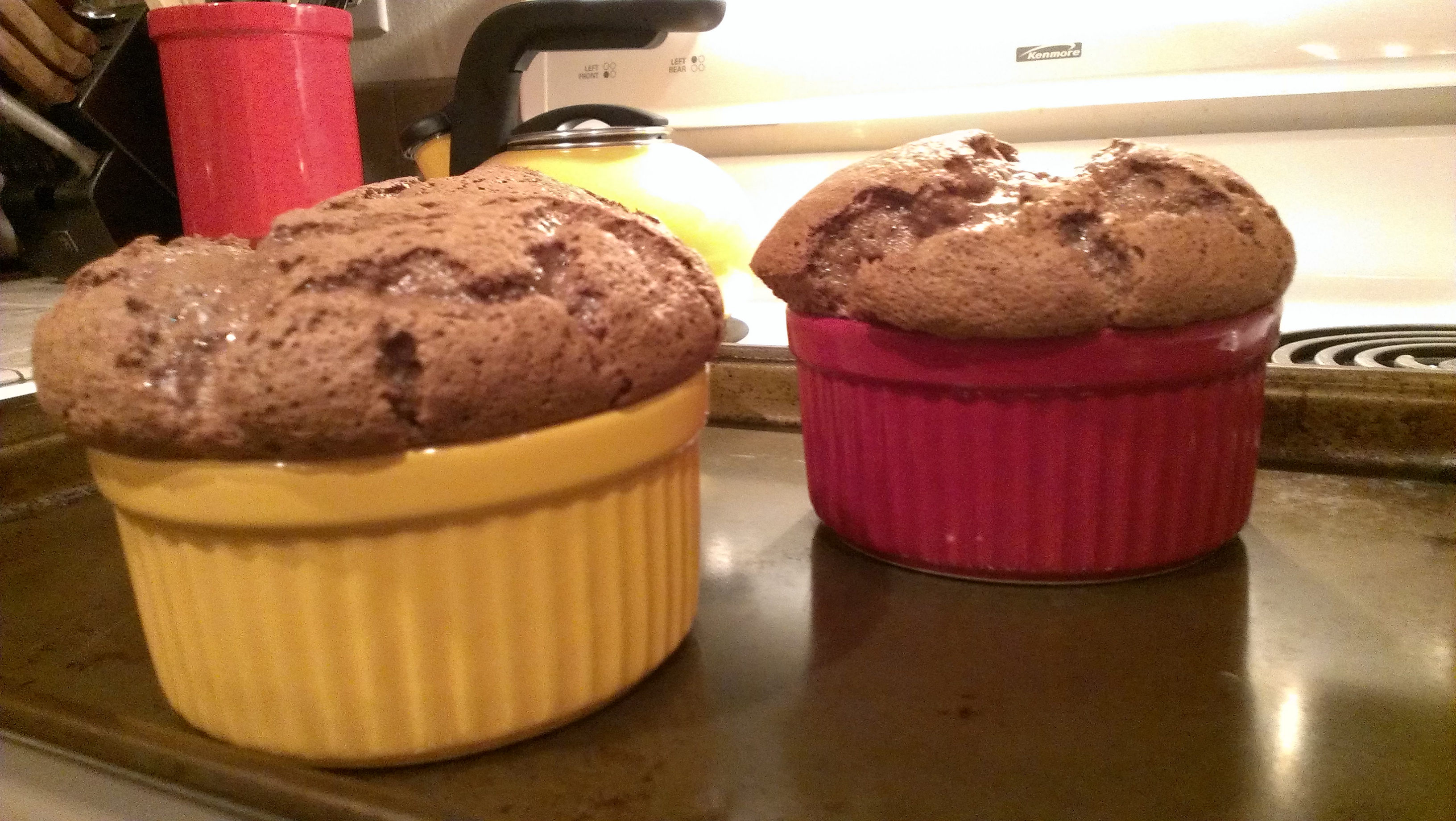
Chocolate Souffle

Tara’s winning souffles!

Categories: Desserts, Pastry | Tags: , , , , , | 2 Comments

58/365: National Kahlua Day*

Q: What do a Black Russian and a Dirty Girl Scout have in common?
A: The ingredient in today’s food holiday! And you thought it was the start of a naughty joke…

February 27 is both National Strawberry Day and National Kahlua Day. Since strawberries aren’t in season until June – the really good ones, anyway (nothing beats Oregon and Washington strawberries!) – we decided to celebrate Kahlua. This coffee flavored liqueur is always in season!

In the 1930s, the Alvarez brothers were harvesting premium arabica coffee beans from their field in Veracruz. They enlisted the aid of a local entrepreneur and budding chemist, Senor Blanco, to use their beans in a new liqueur he was developing. Nice to know he wasn’t wasting his time on something silly like a cure for cancer. Another chemist, Montalvo Lara, refined the recipe in the early 1960s. (Apparently, Veracruz – one of Mexico’s states – is known for delicious coffee, fine art, and chemists who dabble in alcoholic concoctions). Lara’s unique flavor combination – coffee and vanilla – caught the attention of Jules Berman, an American art collector, who began importing the drink (named after the Arabic slang word for coffee, “kahwa”). He sold the recipe to Hiram Walker and Sons in 1964, then sat back and got filthy stinkin’ rich as Kahlua became the #1-selling coffee liqueur in the world.

Because of its premium ingredients and rich, distinctive flavor, Kahlua can be enjoyed on the rocks, or as the basis for a number of cocktails. In addition to the two mentioned above, it is used in the B52, White Russian and Mudslide, among others. It is also delicious served with milk or cream; Tara made this concoction for me once when I was visiting her in Nevada, and I immediately fell under its spell. So tonight, after dinner, we enjoyed a Kahlua and cream.

Kahlua & Cream

Categories: Alcohol | Tags: , , , , , , , , | 2 Comments

57/365: National Pistachio Day

Today’s holiday honors a food that appears to be smiling back at us: the pistachio. Aww. I almost feel guilty eating the poor little fella.

Key word: “almost.”

Aww. They're smiling!

Aww. They’re smiling!

Pistachios have been around since at least 6750 BC. They grow on trees and are related to mangoes, sumac, and poison ivy…so if you’re itching for a handful of pistachios, now you know why! They are native to the Middle East, and are believed to have grown in the Hanging Gardens of Babylon. Like almonds, pistachios are the seed of a fruit rather than a genuine nut, like Charlie Sheen. Pistachio trees were introduced to the U.S. in 1854, and grown commercially beginning in the early 20th century.

In the Middle East, pistachios are referred to as “the smiling nut” and in Iran they are called “the happy nut.” In America, those nicknames belong to Lindsey Lohan and Gary Busey, accordingly. (These “crazy celebrity” jokes never get old!). They are very healthy for you (the nuts, not the celebrities), containing more antioxidants per serving than green tea. They are a great source of fiber, copper, manganese, and vitamin B6. The shells are recyclable, too: you can use them as kindling with crumpled paper to start a fire, line the bottom of houseplant pots with them to provide drainage and soil retention, and use them as mulch for plants and shrubs. The shells are sometimes dyed red or green because holiday colors are festive and pretty!! Actually, it was to hide the stains from the grubby farmhands who used to pick the fruit by hand, but nowadays pistachios are machine-harvested, so dyeing is rarely performed anymore.

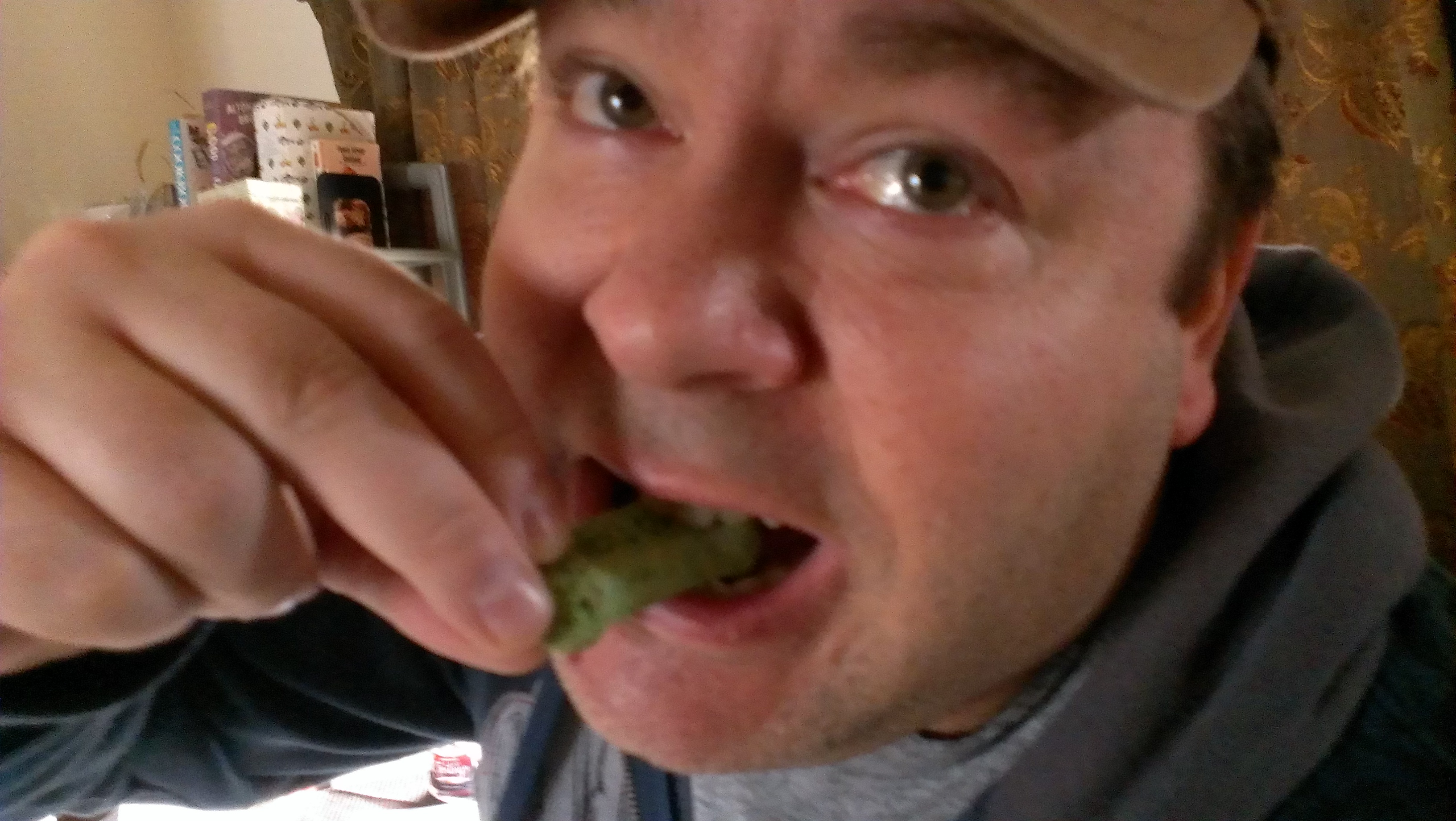
For today’s challenge, we wanted to do a little bit more than just open a bag of pistachios and eat a handful. So, we opened a bag of pistachios and ate a handful…AND we made pistachio-flavored instant pudding. Double pistachio whammy, people!

Pistachios

Categories: Nuts | Tags: , , , , | Leave a comment

56/365: National Clam Chowder Day

If you’re thinking wait a minute, wasn’t there already a clam chowder day? – well, so were we. And there was! We celebrated National New England Clam Chowder Day on January 21st. So, what gives? They’re separate holidays, that’s what. Seems to me they’d make ’em more than a month apart, but we didn’t invent the rules…we just follow them. Since the first holiday specified New England clam chowder and this one is dedicated to clam chowder in general, we decided to make Manhattan clam chowder this go-round. It’s different enough to give us variety!

Unlike the popular New England variety of clam chowder – which is thick and cream-based – Manhattan clam chowder is more like a fish stew: thinner, with a tomato-based broth. Despite the name, the ingredients do not include chunks of skyscrapers. In the 1890s it was called “New York clam chowder” or “Fulton Fish Market clam chowder.” Portugese immigrants in Rhode Island were the first to substitute tomatoes for milk, as tomato stews were all the rage back in Portugal. Why they called it “New York” clam chowder rather than “Rhode Island” clam chowder is a mystery. It’s already such a tiny state, you’d think they’d want the publicity. Quick, name another food associated with Rhode Island!

Exactly my point.

Actually, there is a regional variety called Rhode Island clam chowder, made with a clear broth. Man, talk about confusing! New Englanders, who believed their chowder was soup-erior, felt that labeling anything “New York” was an insult, so they dubbed Rhode Island’s tomato-based chowder “Manhattan” clam chowder. Bitter much, Bostonians?

There are many other regional varieties of clam chowder. Delaware clam chowder contains fried cubes of salt pork and quahog clams, Hatteras clam chowder has a clear broth thickened with flour, and Minorcan clam chowder – popular in Florida – is tomato-based and features spicy datil peppers. There’s even a New Jersey clam chowder, but if I give you the recipe some guy named Guido has threatened to whack me.

Growing up, I used to enjoy an occasional can of Campbell’s Manhattan clam chowder. For today’s challenge, I wanted to make it from scratch, so I found a recipe online. Turned out pretty good, too. My kids were astounded that clam chowder could be a color other than white, but they finished their bowls, so I’m thinking they enjoyed it, too. Thank you, ever-reliable Allrecipes.com!

Manhattan Clam Chowder

Categories: Soup | Tags: , , , , , | Leave a comment

55/365: National Tortilla Chip Day

The only food holiday today is, thankfully, devoted to humans. February 24 is National Tortilla Chip Day. Viva la celebracion!

People often use the terms “corn chips” and “tortilla chips” interchangeably, but as I explained during National Corn Chip Day last month, there is a difference: though both are made from corn, tortilla chips go through a process called nixtamalization, in which they are soaked and cooked in an alkaline solution such as quicklime, making them thinner and crispier. This process was first developed by the ancient Aztecs and, while I could go into a long and scientific explanation over how it is crucial in converting bound niacin to free niacin and preventing a vitamin deficiency disease called pelagra, I’d probably just scare you away from Fritos, which do not go through the same process, and I don’t want to do that because corn chips are tasty, too! Credit for the invention of tortilla chips goes to Rebecca Webb Carranza, who owned a tortilla factory with her husband in Los Angeles. Tired of the tortillas rejected by the automated tortilla manufacturing machine going to waste, she took these scraps, cut them into triangular shapes after her first choice – pentagrams – proved too controversial and her second choice, octagons, too complicated. She fried them up and sold them for ten cents a bag. In 1994, Carranza received the prestigious Golden Tortilla Award for her contribution to the Mexican food industry. Just a few decades ago tortilla chips were rarely eaten, but they gained popularity in the 1970s and now are as ubiquitous in Mexican restaurants as sombreros hanging on the walls and piped-in mariachi music. They are typically served with a dip such as salsa, guacamole, or lime jello, or turned into nachos. Tortilla chips are usually made with yellow or white corn, though blue and red corn varieties also exist. Beware the green corn tortilla chips: that’s just mold, amigo. You should toss those ASAP.

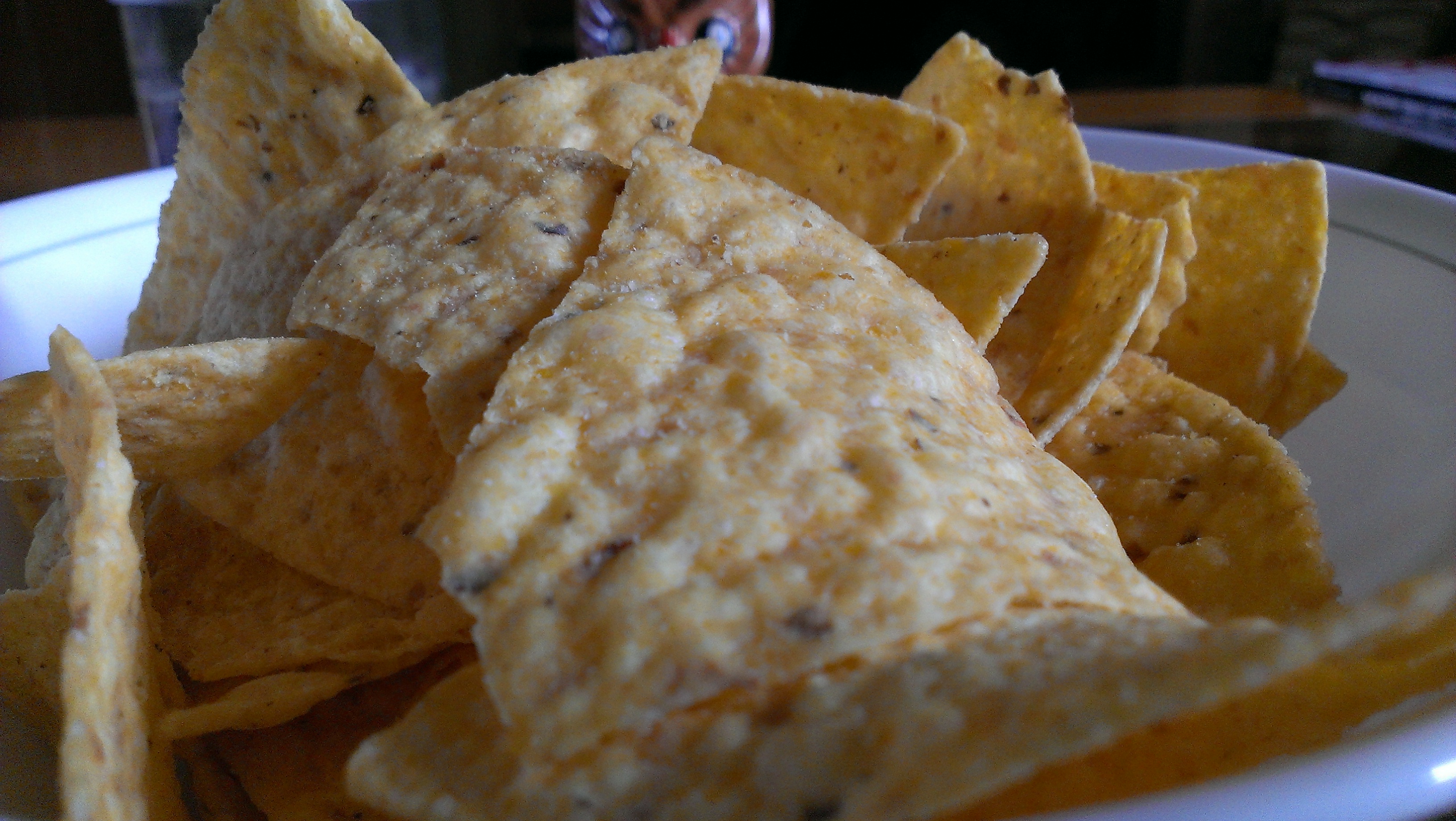
For today’s celebration, Tara and I enjoyed a late afternoon snack of corn chips with salsa and queso. It doesn’t get much easier than that!

Tortilla chips

Categories: Snacks | Tags: , , , , , , , | Leave a comment

54/365: National Banana Bread Day & Dog Biscuit Appreciation Day*

February 23rd is an a-peeling day: we celebrate banana bread! We also have it ruff, too: in addition to National Banana Bread Day, it’s National Dog Biscuit Appreciation Day. Because it’s the weekend and we were feeling adventurous, we celebrated both holidays!

And, no. We do not own a dog.

The first recipe for banana bread appeared in a Pillsbury cookbook in 1933. When baking soda and baking powder became popular in the ’30s, they gave rise (ha-ha, a little baking humor for you!) to quick breads that didn’t require yeast. The use of these ingredients makes banana bread more like a cake than a loaf of bread: it’s moist and sweet. Banana bread’s popularity skyrocketed in the ’60s (ha-ha, a little “space age” humor for you!) when home baking became all the rage. Cookbooks of that era featured many different bread recipes made with fruits and nuts, and banana bread took off like John, Paul, George, and Ringo (ha-ha, a little Fab Four humor for you!). It quickly became a staple at bake sales. It’s also a very popular breakfast entree in Australia, where hungry dingo hunters often stop in at cafes for a cup o’ joe and a slice o’ banana bread.

Banana BreadBanana bread is one of those baked delicacies that is so easy to make, even I can do it! And I wanted to, because every challenge so far that has required baking, Tara has done. So I did the banana bread. Used a new recipe out of Bon Apetit magazine, and it was pretty basic, but I added crushed macadamia nuts to give it a Hawaiian flair. It turned out really good!

Treats for dogs have existed since as long as dogs have been domesticated, but often included stale, moldy bread and rotten leftovers. That’s an arf-ul way to treat “man’s best friend!” In the mid-1800s James Spratt (no relation to Jack) was traveling abroad and felt sorry for the stray dogs in England scavenging for leftover food, so when he returned home to America he was inspired to create “Meat Fibrine Dog Cakes,” hearty treats consisting of meat, grains, and vegetables. Dogs everywhere howled with approval. In 1908, the F.H. Bennett Biscuit Company in New York developed a crunchy, bone-shaped biscuit for dogs, made with milk, minerals, and meat. They called it the Milk Bone. The rest is canine history.

Not the greatest thing I've ever tasted.

Not the greatest thing I’ve ever tasted.

Now, I suppose this holiday is for the dogs. Literally. But we are also nothing if not literal, so Tara and I stopped by a pet store, where we bought a couple of dog biscuits. And proceeded to eat them ourselves.

Oh, yes we did.

PetCo sells a variety of dog biscuits in bulk. They’re set out in bins and come in a pretty big selection of flavors. Some of them resemble chocolate chip cookies (and actually taste like chocolate chip cookies). There were also pretzel varieties, cinnamon cookie flavors, etc. But I wanted a couple of plain, old-fashioned dog biscuits. Boy oh boy, I don’t know what I was thinking. They tasted horrible. Hard and chewy and dry and grainy. It took every last ounce of willpower (and a big glass of milk) to choke mine down. And then, Tara followed suit. Pretty bad stuff…definitely my least favorite “food” in this challenge. Then again, they were never meant for human consumption! But that just goes to show you the lengths we are willing to go to in the name of fun.

Categories: Pastry, Too Weird to Categorize | Tags: , , , , , , | 3 Comments

53/365: National Margarita Day

Ole! Today’s food holiday is one we were eager to wrap our lips around. It’s National Margarita Day! Both Tara and I love a good margarita. A few caveats, though: it’s got to be served on the rocks – never blended. And under no circumstances should you use a bottled mix from a grocery shelf, even if it’s got the word Cuervo on it. The best margaritas are made fresh, with tequila, lime juice, triple sec, and a salted rim.

We are very picky about our margaritas.

Almost as many people claim to have invented the margarita as insist they were at Woodstock, so while its true origin is up for debate, we do know that the drink was first served in the 1940s. Many believe a bartender in Ensenada, Mexico named Don Carlos Orozco invented the drink in 1941. One day Margarita Henkel, the daughter of a German ambassador, stopped by for a drink. Orozco had been experimenting with some new creations and offered her the first taste of a cocktail he’d made with equal parts tequila, Damiana liqueur, and lime. Other stories give credit to Carlos Herrera, a Mexican restauranteur, who allegedly created the cocktail for dancer Marjorie King, who was allergic to all hard alcohol except tequila; to Santos Cruz, a bartender in Galveston, Texas who named the drink for singer Peggy (Margaret) Lee (“Rockin’ Around The Christmas Tree”); and to Dallas socialite Margarita Sames, who made the drink for a house full of guests that included Tommy Hilton (hotel chain baron and unfortunate relative of Paris), who was so impressed he added the drink to the hotel’s bar menu.

MargaritaOthers insist the margarita is simply another version of a popular American drink at that time named the Daisy, and tequila was substituted for brandy because Prohibition drove people across the Mexican border for their alcohol (and pinata) fix. Indeed, “margarita” is the Spanish word for “daisy” (aha!) so this story is probably the most likely.

Really, who cares who came up with it first? The important thing is, somebody did. And that’s good enough for me. Margaritas were the first mixed drink I really got into, and are still the best part of any Mexican dining experience. I always judge a Mexican restaurant based on the attention they give to their margarita; invariably, the places with the best food always serve the best margaritas, too. I’ve had a lot of really good margaritas over the years; oddly enough, one of the best is available at Chili’s, and made with Presidente brandy in addition to the other usual ingredients. I was able to recreate this recipe at home, and now churn out a really good margarita whenever the occasion calls for it.

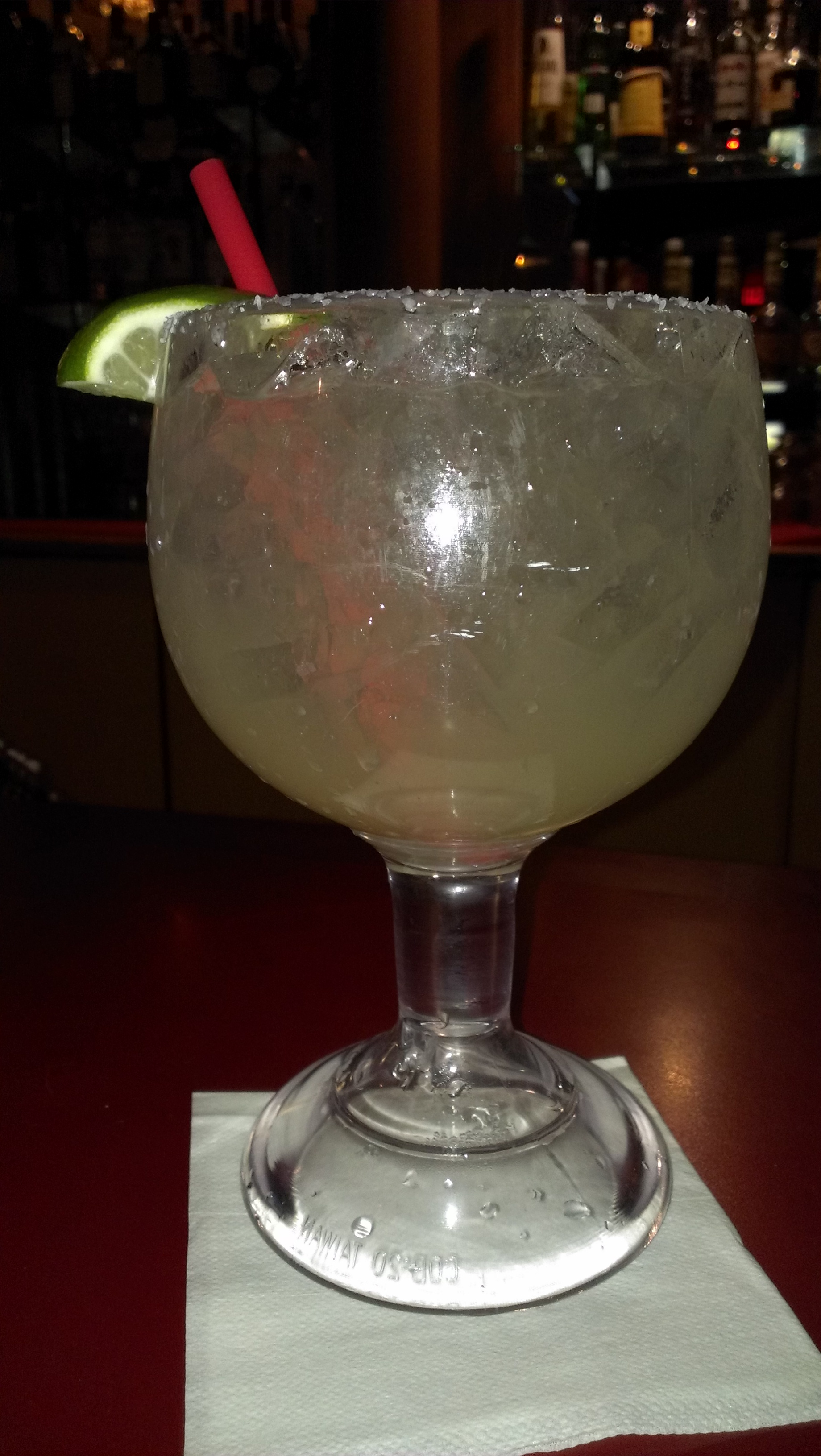
This being Friday, however, Tara and I weren’t sitting around the house, so we met up at a Mexican restaurant called Catedral Tapatia for margaritas. And dinner, of course! They were big…and tasted great, the perfect celebration to mark the end of another work week!

Categories: Alcohol | Tags: , , , , , , , , | 6 Comments

52/365: National Sticky Bun Day

February 21st is National Sticky Bun Day. I’d always assumed sticky buns and cinnamon rolls were the same thing, but Tara informed me that they are actually different. Both are decadent, both contain cinnamon, and both are pastries made with leavened dough that is topped with sticky, sweet icing. But the similarities end there.

I think. Sticky buns usually include nuts. But otherwise…well, I don’t see much difference myself. Let’s ask Tara!

Cinnamon rolls have a mixture of butter, cinnamon, and sugar spread onto dough that is then rolled up and cut into sections.  It’s topped with cream cheese frosting or icing.

Sticky buns are like cinnamon rolls, except they are topped with a caramel sauce and pecans.  When I was a baker at JB’s Restaurant in Idaho Falls (holy crap…was that really almost 20 years ago?!?!?) we would use a small round pan, pour in the caramel sauce, add pecans, and then place a section of the cinnamon roll on top.  After rising it would be baked and then while still warm, turned out on a plate.

Yum! Sounds delicious, babe. Thanks for the clarification.

Sticky buns originated in Germany, where they were called “schnecken” (German for “snails”). Luckily, this referred to their shape, rather than their flavor or ingredient list. The only country that can get away with actually cooking snails is France, dammit! German settlers immigrating to the United States in the 17th century brought schnecken along with them, and when they settled in and around Germantown, Pennsylvania (homesick much?), sticky buns became a popular local treat.

At Camp Walden, an all-girl’s summer camp in Maine, a longstanding tradition involving schnecken continues to this day. It is served every Sunday morning for breakfast, along with eggs, oatmeal, cereal, and yogurt. The Girl Scouts have their cookies, and Waldenites (as they refer to themselves) have their sticky buns. I’m not sure what Boy Scouts have, other than outdated moral principles.

Ooh, slam.

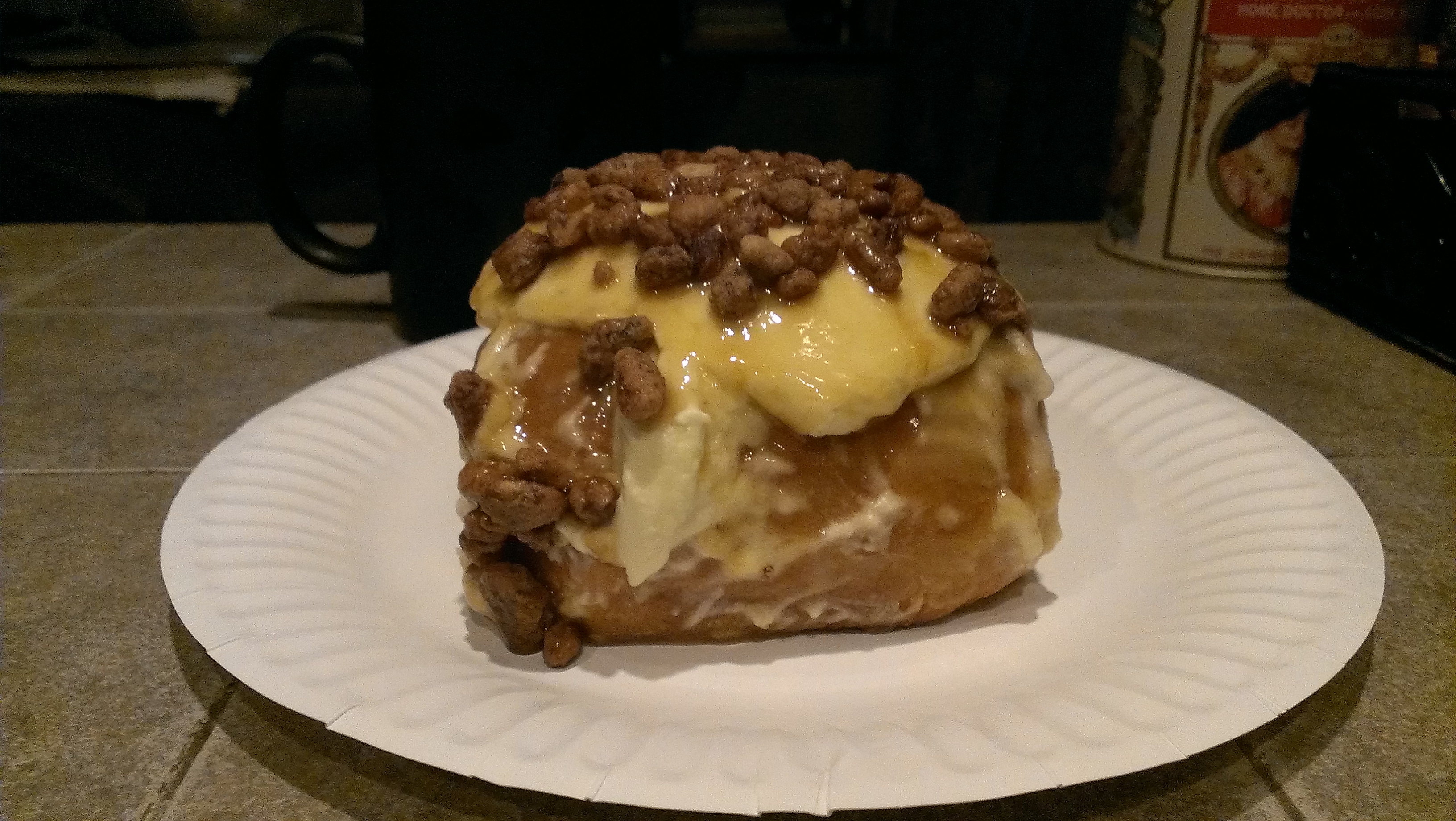
Tara picked us up a sticky bun from Shari’s last night, which we shared this morning for breakfast before work. It was sweet and decadent, and included a topping of pralines, which – according to my fountain-of-knowledge fiance – are caramelized pecans. Hmm. I had no idea! All I know is, the sticky bun was deliciously satisfying.

Schnecken

Categories: Breakfast, Pastry | Tags: , , , , , , | 8 Comments

51/365: National Cherry Pie Day

Today’s food holiday warrants a big celebration: it’s National Cherry Pie Day! In case that reference is a little too subtle (or a little too 1990) for you, here’s what I’m talking about.

Warrant takes “innuendo” to a whole new level there! But they are singing about cherry pie, so it was only appropriate to share.

The fact that National Cherry Pie Day is celebrated in February – and within days of President’s Day – can’t be a coincidence. After all, George Washington will forever be associated with cherries thanks to his famous “I cannot tell a lie; I chopped down the cherry tree” admission of guilt. Even though cherry pies are a quintessentially American dessert, credit for their invention actually goes to Queen Elizabeth I of England, whom it is believed not only came up with the idea for the pie but allegedly baked it herself in the royal kitchen back in the 16th century. In fact, the girl in Warrant’s video is modeled after Her Highness. Pies (originally spelled “pyes”) have been around a lot longer than that, but were usually made with meat. During the Medieval period, whole birds were typically baked into pies and their feet were left dangling out of the crust, to be used as handles. You might think that sounds disgusting, but I say it’s handy and convenient! Fruit pies (or pasties) were developed right around the time of the Queen’s reign. When pies came to North America, colonists added sugar and spices to the crusts to make them edible; prior to this, crusts were called “coffyns,” oddly appropriate considering they once contained whole dead birds inside, and were virtually inedible. Thankfully, cherries are a whole lot more palatable than dead foul, which probably explains why cherry pie is such a popular dessert. It was, in fact, a favorite of Kyle MacLachlan’s character, Dale Cooper, on Twin Peaks, who enjoyed his pie with a cup of coffee.

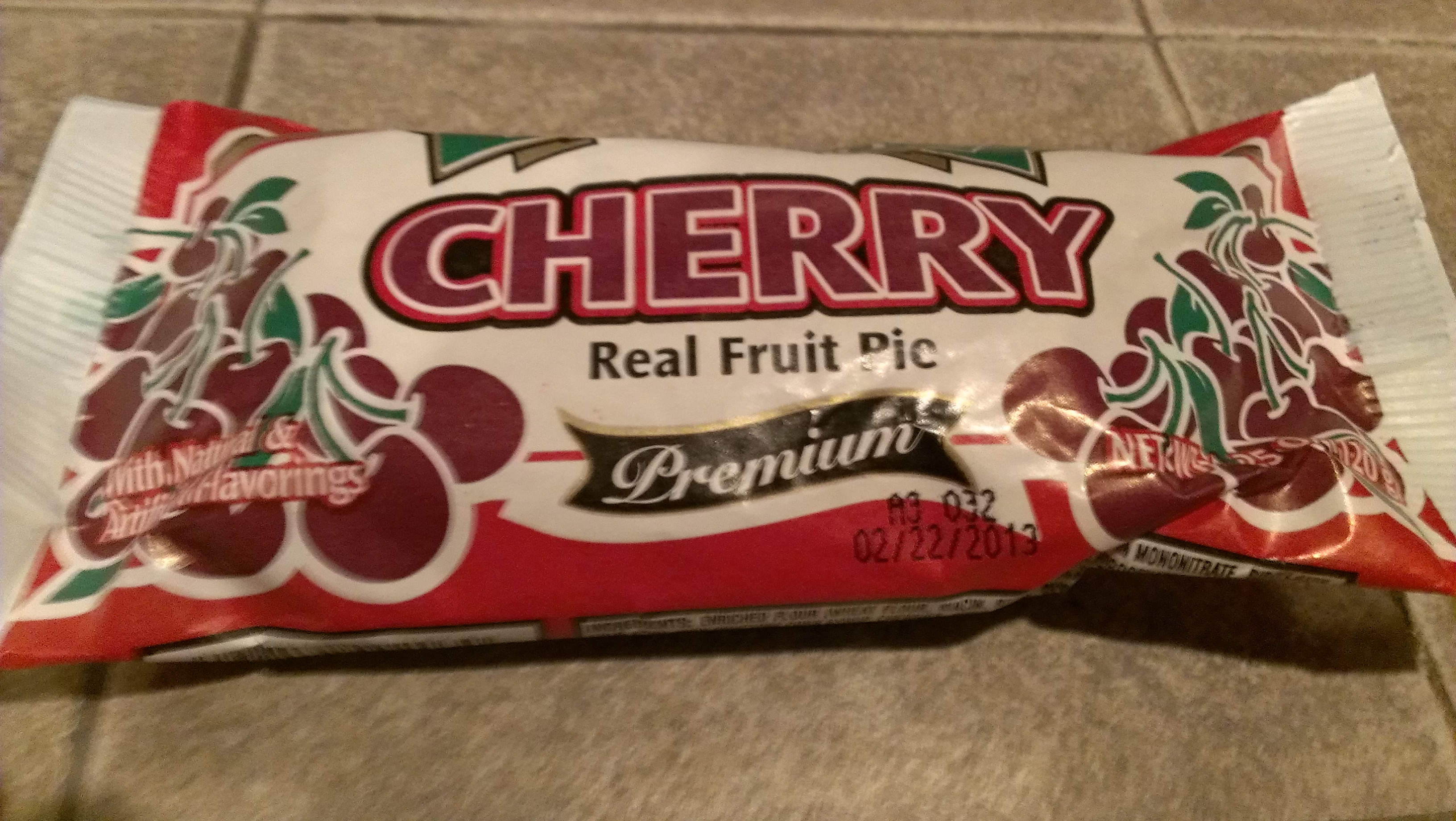
Hey, it's got natural AND artificial flavors!

Hey, it’s got natural AND artificial flavors!

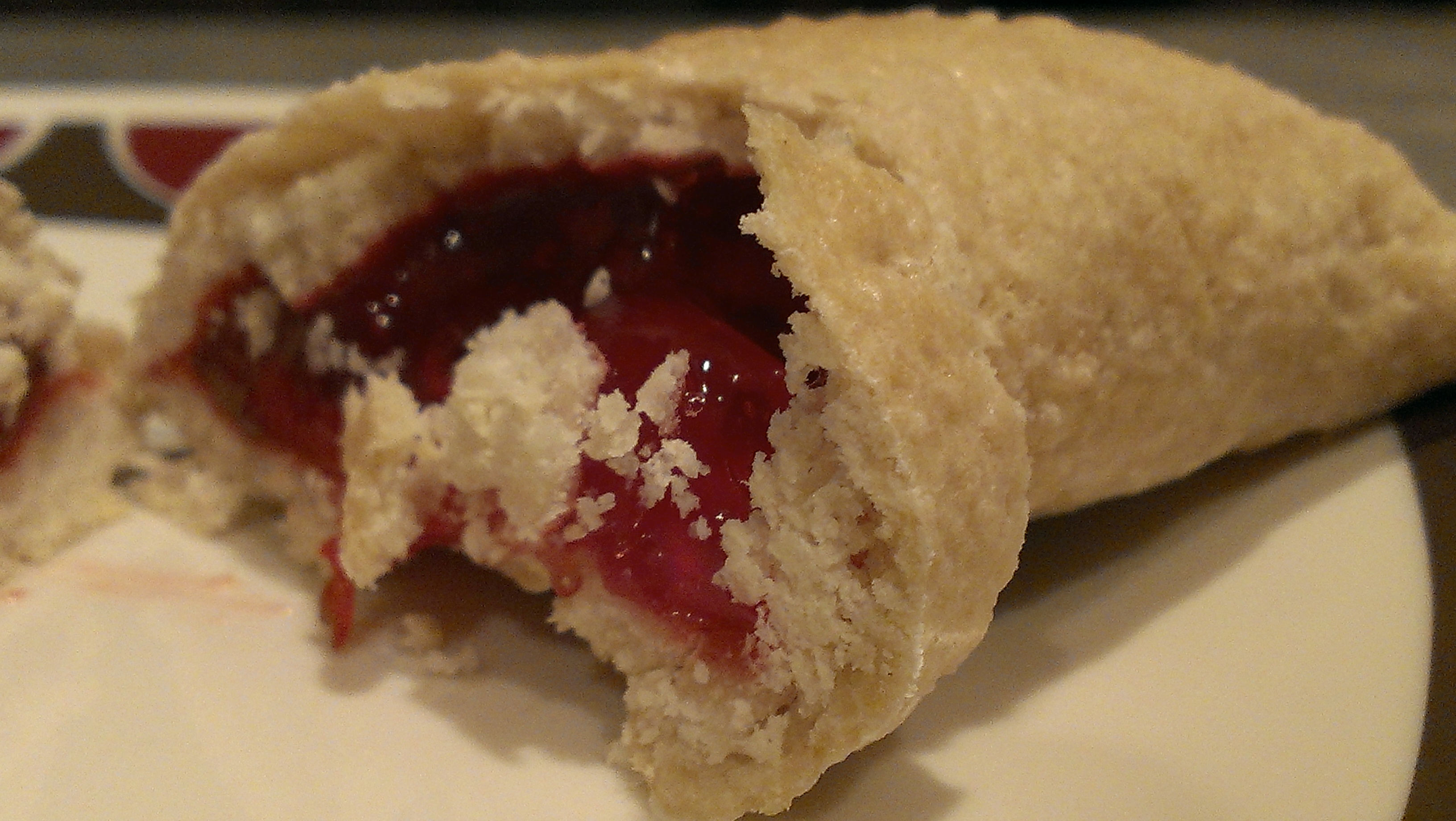
Perhaps that was the inspiration for our celebration this morning. Or maybe we were just feeling lazy. There are other pie holidays to celebrate this year, and I promise at some point we’ll make a homemade one – when the ingredients are in season (i.e. strawberry rhubarb pie in June). But today, we shared one of those cheap prepackaged cherry pies that didn’t even have the decency to be Hostess, for crying out loud! But hey, it still counts. And, much like Agent Cooper, we had ours with coffee.

Thank you, Queen Elizabeth I.

Thank you, Queen Elizabeth I.

Categories: Desserts | Tags: , , , , , , | 6 Comments

50/365: National Chocolate Mint Day

Today we celebrate two great tastes that taste great together: chocolate and mint. It’s National Chocolate Mint Day!

Granted, it seems like we just celebrated this holiday last week with Peppermint Patties. But there are enough combinations of chocolate and mint that we could eat (or drink) something different every day for a couple of weeks. Not that we’d want to do that, of course.

Chocolate pairs well with many different foods. Classic pairings include chocolate and red wine, chocolate and strawberries, chocolate and orange, and chocolate and muenster cheese. Chocolate and mint are no exception, either. Mint is derived from the Latin word mentha, which in turn comes from the Greek word minthe. In Greek mythology, Minthe was a female spirit…okay, she was a nymph…who tried to seduce Hades with her feminine wiles and awesome cleavage, but Queen Persephone stepped in and turned Minthe into a mint plant. Boy, when they say there’s no such thing as a woman scorned, they mean it!

Mint is classified as an herb and belongs to the same family as basil, rosemary, sage, oregano, and catnip. It grows vigorously when planted, and can take over an entire garden. I know this firsthand: I once planted a single mint plant in the backyard, and before long every time I cut the grass it smelled like a Junior Mints factory had exploded. Good stuff, but man, be careful or it’ll get out of control, much like bamboo and the ridiculous claims over at Fox News.

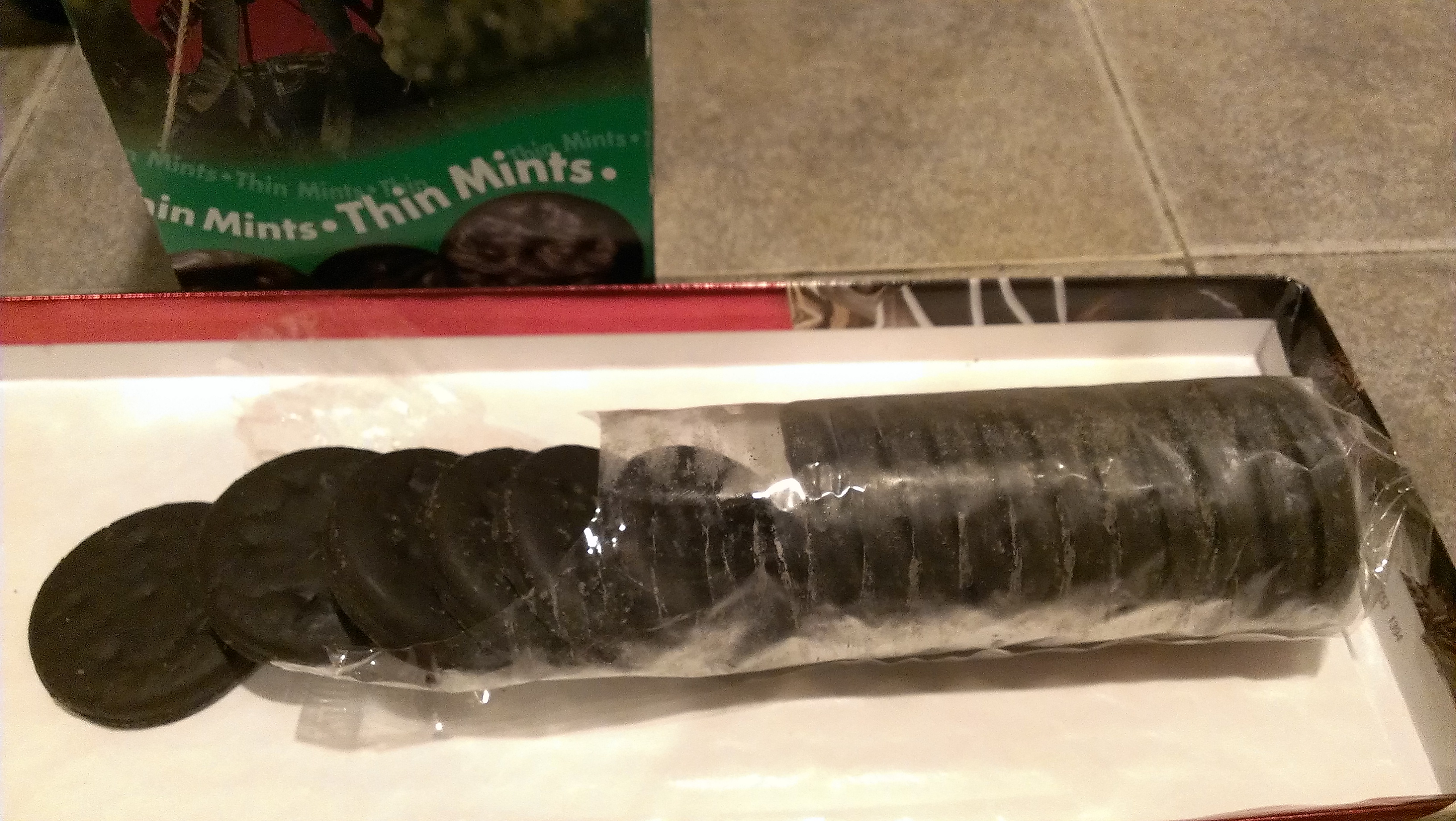
We could have gone in a dozen different directions with today’s challenge, but since it’s Girl Scout cookie season, we decided to go with Thin Mint cookies. A timeless classic, if you will (and straight out of the freezer, ’cause that’s how we roll). Yum!

Thin Mints

Thin Mint cookies are in season, so we indulged!

Categories: Desserts | Tags: , , , , , , , | Leave a comment

Blog at WordPress.com.