153/365: National Rocky Road Ice Cream Day

You may encounter a rocky road ahead, but trust us – that’s a good thing, at least on June 2. It’s National Rocky Road Ice Cream Day!

Rocky road ice cream traditionally contains chocolate ice cream, marshmallows, and nuts. It was created in 1929 by William Dreyer of Oakland, California. A year earlier, Dreyer had formed an ice cream company with Joseph Edy. One day William, apparently bored out of his mind,  borrowed his wife’s sewing scissors and cut up marshmallows and walnuts, adding them to chocolate ice cream to create a new flavor. There’s no record of his wife’s reaction to his use of her scissors in such a manner, but the flavor was a hit. After the Stock Market Crash in October of that year, Dreyer named the ice cream rocky road “to give folks something to smile about in the midst of the Great Depression.” And smile people did, when they weren’t busy jumping out of high rise buildings and stuff. Eventually, the walnuts were replaced by almonds. Interestingly, in Australia people add jam to their rocky road ice cream, and in the U.K., cherries and raisins are incorporated within.

We kind of, sort of, celebrated rocky road ice cream earlier this year when we used it as a base for Heavenly Hash. But this time, we were able to enjoy a simple bowl of unadulterated rocky road. It’s one of my favorite ice cream flavors, so I had no problem eating a couple of scoops today!
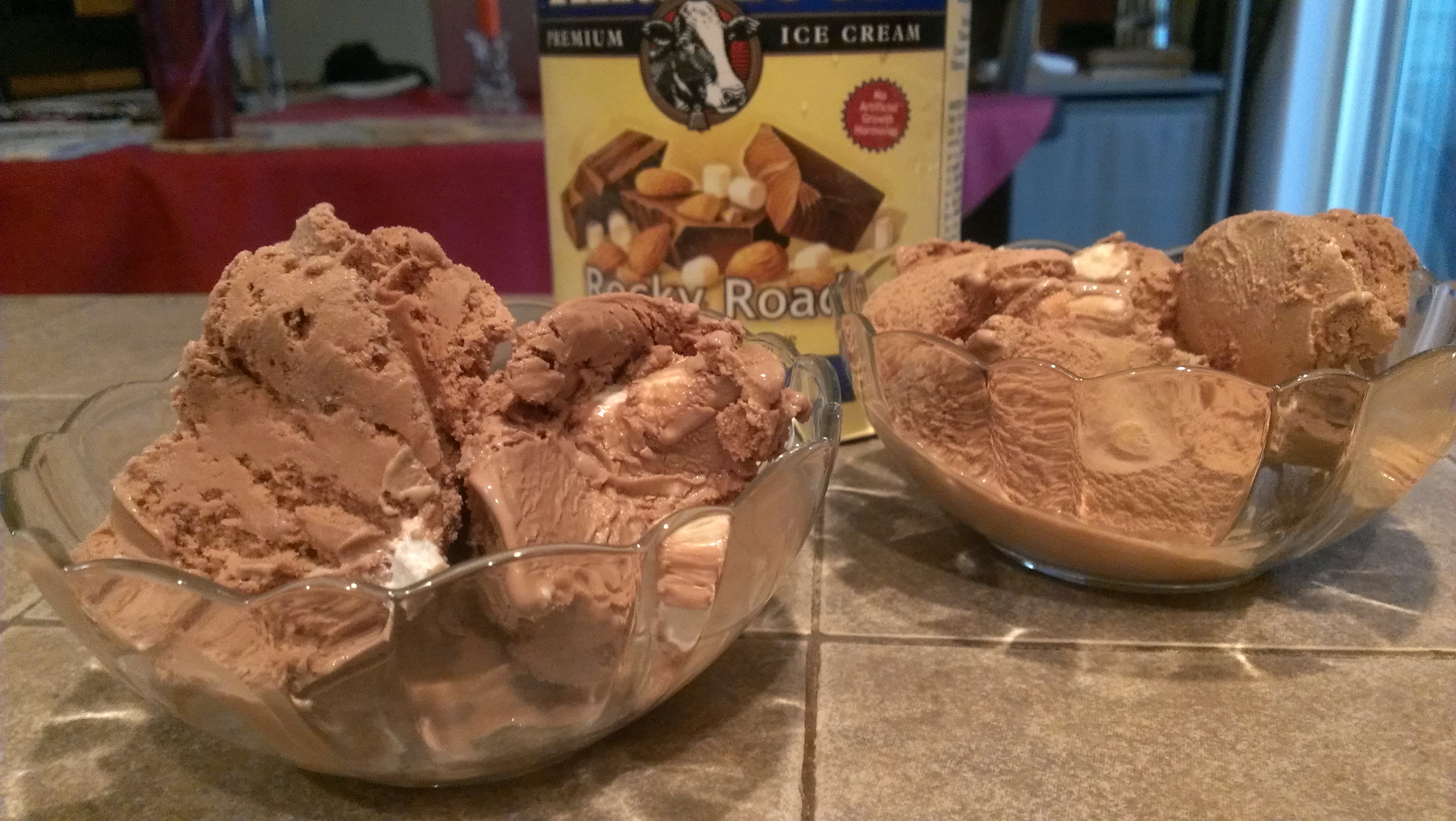
Rocky Road Ice Cream

Categories: Dairy, Desserts | Tags: , , , , | Leave a comment

152/365: National Hazelnut Cake Day

Welcome to June, or The Month Of The Dessert. 20 of the food holidays are desserts only, leaving us no choice for substitutions. Actually, it’s going to be that way for the entire summer. Roughly half of the food holidays over the next three months center around desserts. This is going to be the toughest stretch of our challenge, I think. But…we’ve come this far, so we must soldier on. June 1 kicks things off with National Hazelnut Cake Day.

Hazelnuts, also known as filberts, are most widely produced in Turkey – 75% of the world’s production originates there. In the United States, 99% of hazelnuts are grown right here in Oregon and Washington. That makes us the Istanbul of the West, I suppose. The prevalence of hazelnuts pretty much everywhere was one of the things that stood out to me when I moved to the Pacific Northwest in 1994. Hazelnuts, which come from the hazel tree, have been around for thousands of years; an archaeological dig in Scotland in 1995 unearthed a pit full of hazelnut shells that were carbon-dated and found to be 9000 years old! They grew in popularity during the 1940s, when wartime rationing made cocoa scarce. Italian pastry maker Pietro Ferrero introduced what became known as Nutella, a hazelnut-chocolate spread that stretched the limited supply of chocolate by taking advantage of the plentiful hazelnuts in the Piedmont region of Italy. Nutella was imported to the U.S. in 1983 (seems like it’s been around longer than that!) and found a new legion of American fans.

With so many cakes looming on the horizon, we’ve decided to cut down portion sizes whenever possible. Our ingenious solution? Cupcakes! They are officially defined as “a small cake” so we aren’t breaking any rules. (An alternate definition is “an attractive woman” which I find both hilarious and outdated). It was simple enough to find a recipe for hazelnut cupcakes. This one uses both Nutella and Frangelico, so it’s an automatic win-win already. I spent a good portion of the afternoon whipping these up; we’ve got plans this evening and had to make sure we got our challenge in before we left – we probably won’t be back until after midnight!

The verdict? Pretty damn good! First time I’ve made cupcakes from scratch, too.

Chocolate Hazelnut Cake

Categories: Desserts, Pastry | Tags: , , , , | 2 Comments

151/365: National Macaroon Day

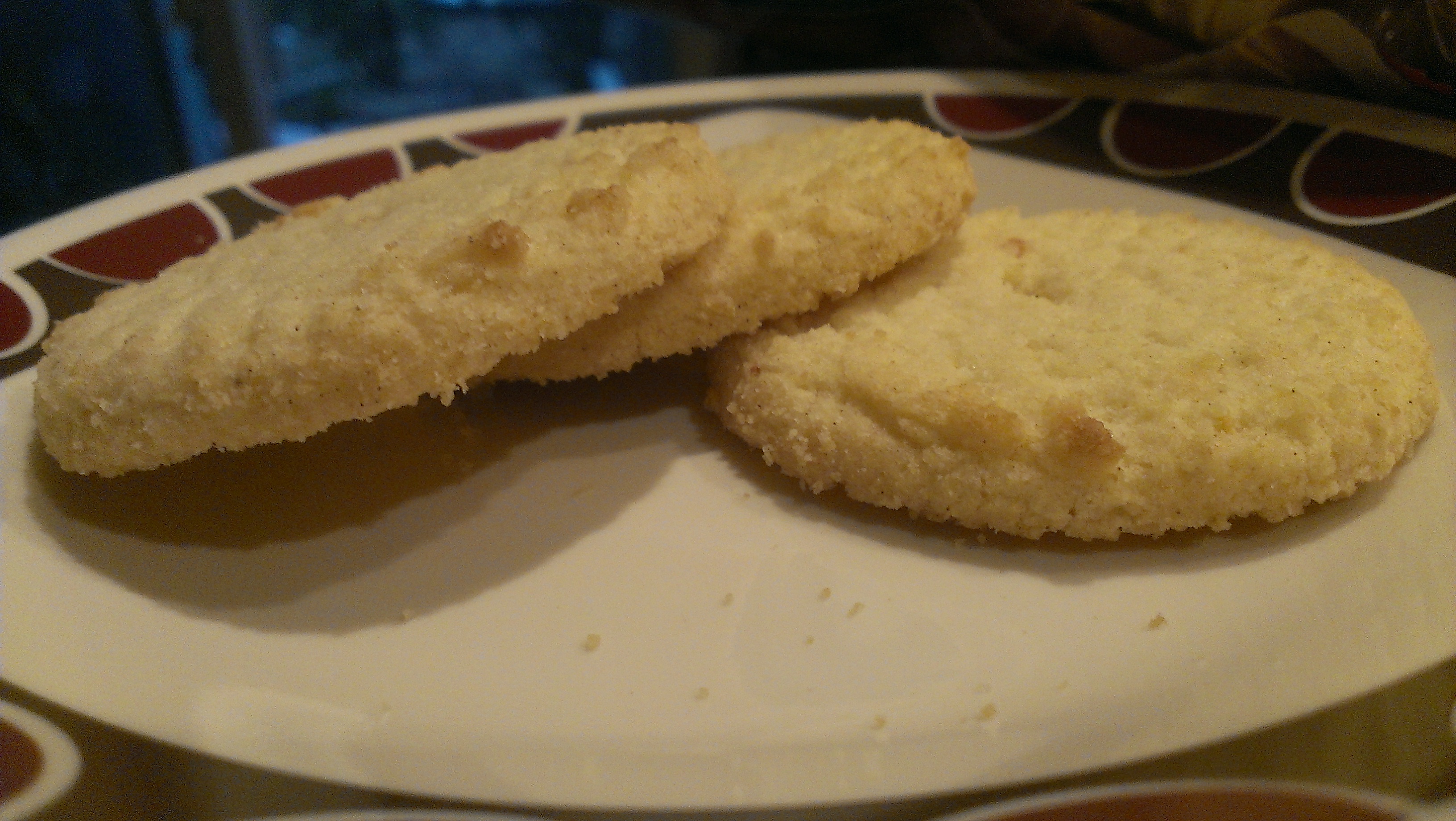
Today’s food of honor may not have universally agreed upon ingredients, but the general consensus is that it’s delicious no matter how it’s made. May 31 is National Macaroon Day!

What a fun word to say, by the way. Macaroon. Macaroon. You’d have to be a real buffoon if you didn’t like saying the word macaroon. A macaroon is a light baked confection, either a small cake or soft cookie. In America, macaroons are traditionally made with coconut, but in many countries they are prepared with almonds. Occasionally, other nuts such as pecans, cashews, or hazelnuts are used. Indeed, the first macaroons were created by monks in an Italian monastery during the 9th century, and were essentially almond meringue cookies. The word comes from maccarone, Italian for “paste” – yummy! – and, yes, it’s the same word used to describe macaroni. Macaroons were introduced to France in 1533 by the pastry chefs for Catherine de Medici, the wife of King Henri II. During the French Revolution, a pair of Benedictine nuns, Sisters Marguerite and  Marie-Elisabeth, who were seeking asylum in the town of Nancy paid for their lodging by baking and selling macaroons. They subsequently became known as the “Macaroon Sisters.” As the cookie spread through Europe, people began adding coconut, and in many recipes it completely replaced almonds.

Surprisingly, Tara had never had a macaroon before. I happen to love them, but then again, I’m a big fan of coconut. The cookies were delicious!

Macaroons

Categories: Desserts | Tags: , , , , | Leave a comment

150/365: National Mint Julep Day

You’ll want to gallop on over to the liquor cabinet for today’s food holiday. May 30 is National Mint Julep Day!

The exact origin of the Mint Julep is muddled, much like the drink itself. It is believed to have been popularized in the Southern United States sometime in the 1700s. The first reference to it appeared in print in 1803; it was described as a “dram of spirituous liquor that has mint in it, taken by Virginians in the morning.” Sure enough, the mint julep was originally a morning drink that would give farmers in the east and southeast who had to arise at dawn a more persuasive pick-me-up than coffee. It is believed that the mint julep was an Americanized version of an Arabic drink called the julab, which consisted of water and rose petals. As the beverage spread through the Mediterranean, the rose petals were replaced with mint leaves indigenous to the region. Americans made it their own with the addition of bourbon whiskey; the standard ingredients now include bourbon, sugar, water, and mint leaves.

The mint julep became synonymous with the Kentucky Derby in 1938, when Churchill Downs started serving it in souvenir glasses for 75 cents. Today more than 120,000 mint juleps are sold at the “running of the roses” each year, no doubt many of them purchased by folks who want to drown their sorrows after picking the wrong damn horse yet again.

My dad is a big fan of the Kentucky Derby, and has been there in person to collect souvenir glasses on several occasions. He also enjoys bourbon, and always has some on hand. This confluence of events convinced us that we should celebrate National Mint Julep Day with my parents. So we did. And, like many of our alcohol-related challenges, we weren’t real impressed with this drink. I found it too sweet and Tara thought it was too strong. Actually, it was both. But we took a few sips from our derby-themed glasses and can, at least, add another challenge to the books.

Mint Julep

Categories: Alcohol | Tags: , , , , | 5 Comments

149/365: National Coq Au Vin Day. Again.

May 29 is National Coq au Vin Day! Again.

For some reason, there are a few duplicate food holidays. I don’t get it: with so many great foods left uncelebrated – can you believe there’s no National Ketchup Day, for instance?! – it’s weird that some foods get more than multiple holidays. Especially something so random and specific as National Coq au Vin Day, which is also celebrated on March 22nd. We just encountered this with wine over the weekend, as there is both a National Wine Day and a National Drink Wine Day. It goes without saying that you’re going to drink it, right? What other option do you have, other than inserting an IV tube full of chardonnay into a vein? Which, come to think of it, would save you the trouble of pouring…

Anyway. The only explanation that I can come up with is, one of the Coq au Vin holidays is listed as a “National” day, and the other isn’t. What is especially frustrating is that I busted my ass in March, recreating Julia Childs’ signature dish for the challenge. And equally annoying? March 22nd was also National Water Day, which we chose to skip because, well, how hard is it to pour yourself a glass of water? That was before we realized there was a second National Coq au Vin Day, though.

As delicious as the dish was the first time around – and it was really good, one of our favorite food challenges to date – it was very time-consuming and required a ton of prep work. I just didn’t have it in me to do it again on a weeknight, so I turned to Trader Joe’s for help this time. They’ve got a frozen Coq au Vin that looked decent enough in the picture on the box. And most importantly, required virtually no prep other than preheating the oven and sticking it in there. So, if you want the history of Coq au Vin again, click on my link above.

And the Trader Joe’s version of this classic French dish? It was passable…but barely. After having that delicious homemade Coq au Vin last time, there was no way this could be anything other than a letdown. But, hey…at least it didn’t take a lot of work!

Coq au Vin

Categories: Poultry | Tags: , , , , , , | 4 Comments

148/365: National Brisket Day

You won’t have a beef with today’s holiday if you’re a carnivore. Sink your teeth into this: May 28 is National Brisket Day!

Brisket was once considered one of the poorer cuts of meat. It comes from the lower chest of a cow, and because these animals have no collarbones, is responsible for supporting 60% of the cow’s weight. This is why it contains a lot of connective tissue, and requires slow cooking over low heat for a long time in order to properly tenderize it. It contains a fat cap which can be cooked either face up or face down; debate rages over which is the better method. That argument can probably best be answered by Texans, who love their brisket and have made barbecuing it an art form. In Colonial America, brisket was usually coated in large salt crystals and allowed to age for four days. This method – known as corned beef – was the best way of preserving meat in the pre-Frididaire days. While corned beef is still popular – especially among Irish-Americans on St. Patrick’s Day, even though it’s not an Irish invention – brisket is also delicious cooked slowly over a grill, smoked, braised, or boiled. It can be covered in a spice rub or marinated.

I would have loved to have slow cooked the brisket over indirect heat for six hours or so, but since we had to work today, that would have meant dinner wouldn’t have been ready until midnight-ish – which is not only really late to eat, but also a potential disqualifier if it wasn’t ready by 12:00. We figured, if the meat requires slow and low cooking, it should work in a crockpot, right? So we turned to the internet for recipe ideas. This is where Pinterest came in handy. I found plenty of crockpot brisket recipes, and chose one with ingredients similar to those recommended by our friend, Wendy. It contained tomato sauce, beef bouillon, apple cider vinegar, onion, and garlic. I put that sucker in before work, and let it cook on low for ten hours. The result? Yummm-amazing! But a little salty. In any case, the recipe is definitely a keeper.

Brisket

Categories: Beef | Tags: , , , , , | 1 Comment

147/365: National Grape Popsicle Day

There’s no need to be a stick in the mud: today’s food holiday is a tasty, delicious treat for both young and old alike. May 27 is National Grape Popsicle Day!

Grape PopsiclePopsicles were invented by accident in 1905 when 11 year old Frank Epperson of San Francisco left a mixture of powdered soda, water, and a stirring stick on his porch overnight. It was bitterly cold that evening, and the whole thing froze. Little Frankie called his frozen treat Epsicles. It became a hit with the neighborhood children and, later, his own kids, who would frequently ask for “Pop’s ‘sicles.” The name stuck and was eventually trademarked, but it’s one of those products that has become so popular the name is used to denote generic versions, as well. Much like aspirin. Epperson began selling his Popsicles at an amusement park in Alameda, California in 1923, where they became wildly popular. They were originally available in seven flavors and marketed as “a frozen drink on a stick.” In 1925 Frank sold his rights to the Popsicle to the Joe Lowe Company of New York, because he was flat broke. Today, more than 2 billion Popsicles are sold every year, with the most popular flavors being cherry, orange, and grape.

We picked up a variety of Popsicles at the local grocery store. The box contained two grape – perfect! And they tasted great, even though they were sugar free.

Categories: Desserts | Tags: , , , | 7 Comments

146/365: National Cherry Dessert Day*

If you’re thinking that life is the pits, cheer up: May 26 is National Cherry Dessert Day!

It’s also National Blueberry Cheesecake Day, which is nice and specific. Cherry dessert, on the other hand? That could refer to anything. Cherry pie, cherry cobbler, chocolate-covered cherries…all of which we have already celebrated. A little more direction here would have been nice, especially since Tara and I are spending the night in a  hotel room on the Oregon coast for a little much-needed R&R. (That’s rest and relaxation, not ravioli and rutabaga. Not everything has to do with food).

Cherry dessert. Cherries are native to Europe, western Asia, and northern Africa. The ancient Greeks and Romans were especially fond of cherries, as are little old ladies when three of them line up in a row on their penny slot machines. Early settlers brought cherries to America in the 17th century, where they flourished around the Great Lakes. The Pacific Northwest became another prime cherry growing area when Henderson Lewelling planted an orchard in western Oregon in 1847. The most famous sweet cherry variety, the Bing, got its start at Lewelling’s orchard, and was named after one of his Chinese laborers (not the search engine, contrary to popular belief). The Rainier cherry, another popular sweet variety (and my personal favorite), is a cross between a Bing and a Van. Today, 650 million pounds of cherries are produced in the U.S. Most of them are grown in two regions: Michigan (75% of the sour cherry crop) and the Pacific Northwest (60% of the sweet cherry crop). California, Utah, Wisconsin, Pennsylvania, and New York also grow cherries.

For the holiday, we stopped at an Arctic Circle in Newport, Oregon. Tara grew up with Arctic Circle fast-food restaurants, but there are only a handful in the whole state, none close by to where we live. It was my first time there, and I was impressed with the mushroom swiss burger and the fry sauce. Best of all, they had ice cream cones hand dipped in a hard cherry shell. Perfect! And because that might be stretching the definition of cherries, we also bought a pint of fresh cherries from a roadside stand on our way to the coast, and had some of those, as well. Either way, we covered all our cherry bases!

Categories: Desserts, Fruit | Tags: , , , , | 2 Comments

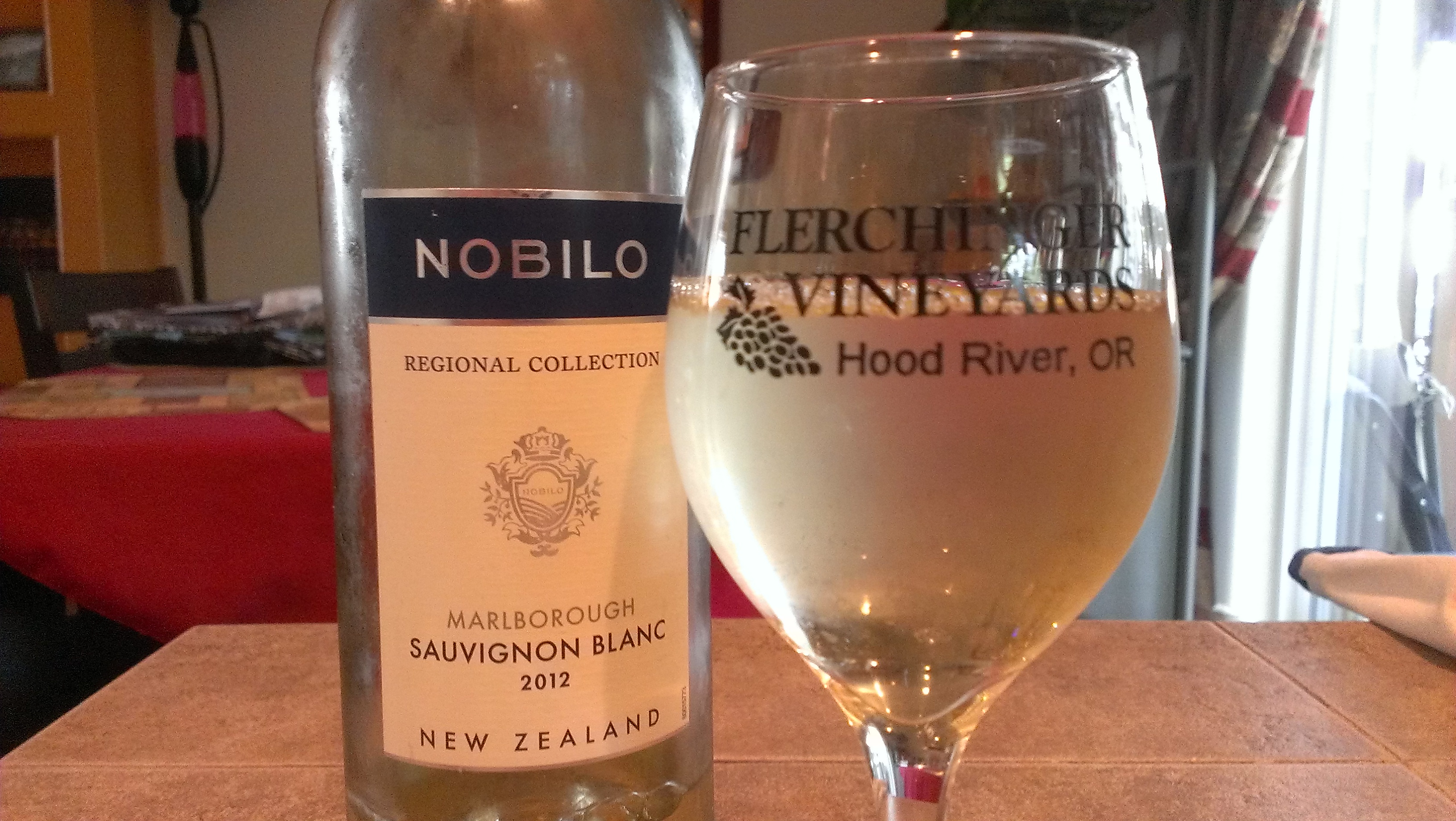
145/365: National Wine Day*

Today is a grape excuse to imbibe in a glass of vino. Or two. Or a bottle. Hey, I won’t judge! May 25 is National Wine Day!

Not to be confused with National Drink Wine Day (February 18). Since I already discussed the history of wine in that post, I’ll discuss a few interesting wine facts instead.

It’s also National Brown Bag It Day. But brown bags, while high in fiber, lack flavor. So, wine it was!

Italy is the world’s top wine producer, followed by France and Spain. The United States comes in at #4, and Argentina caps the list in the fifth spot.

The top 5 wine producing states in the U.S. are – in order – California, Washington, New York, Oregon, and Pennsylvania.

Not all wines improve with age. In fact, 90% are best enjoyed within the first year of being bottled.  White wines darken with age, while red wines turn lighter.

Put a cork in it? Not necessarily. Screw caps are gradually replacing corks, even on more expensive bottles of wine. 93% of New Zealand wines and 75% of Australian wines contain screw caps.

A 5-ounce glass of wine contains 100 calories and no fat or cholesterol.

A typical glass of wine requires 1/2 pound of grapes to make.

There are approximately 10,000 varieties of wine grapes worldwide.

Wine grapes are the #1 fruit crop in the world.

Richard Nixon loved Chateau Margaux from France. During state dinners, he instructed his wait staff to serve him the good stuff but pour cheaper wines for the guests, hiding the label with a napkin.

“Wine is bottled poetry” – Robert Louis Stevenson.

“One should always be drunk. That’s all that matters…But with what? With wine, with poetry, or with virtue, as you chose. But get drunk” – Charles Baudelaire

“Quickly, bring me a beaker of wine, so that I may wet my mind and say something clever” – Aristophanes

“Wine makes a man more pleased with himself, I do not say it makes him more pleasing to others” – Samuel Johnson

“Wine makes daily living easier, less hurried, with fewer tensions and more tolerance” – Benjamin Franklin

“I cook with wine; sometimes I even add it to the food” – W.C. Fields

“Wine is one of the most civilized things in the world and one of the most natural things of the world that has been brought to the greatest perfection, and it offers a greater range for enjoyment and appreciation than, possibly, any other purely sensory thing” – Ernest Hemingway

“The wine-cup is the little silver well, Where truth, if truth there be, doth dwell” – William Shakespeare

“Sometimes when I reflect back on all the wine I drink, I feel shame! Then I look into the glass and think about the workers in the vineyards and all of their hopes and dreams. If I didn’t drink this wine, they might be out of work, and their dreams would be shattered. Then I say to myself, ‘It is better that I drink this wine and let their dreams come true than be selfish and worry about my liver?'” – Jack Handey

“Red red wine you make me feel so fine, you keep me rocking all of the time; red red wine you make me feel so grand, I feel a million dollars when you’re just in my hand” – UB40

National WIne Day

Categories: Alcohol | Tags: , , , , | 4 Comments

144/365: National Escargot Day

You’ll have to come out of your shell and display bravery in order to enjoy today’s food holiday. May 24 is National Escargot Day!

Escargot, in case you aren’t aware, is the French word for snails. Land snails, to be exact. They are considered a delicacy in France, and have been a staple of man’s diet for thousands of years. Archaeological digs have uncovered prehistoric caves filled with snail shells, indicating that early man enjoyed dining on the slimy little creatures. Gasp! What Neanderthals! Even when hunting and gathering expanded to include fish, game, and Big Macs, some cultures continued to enjoy snails as part of their cuisine, particularly Greeks and Romans, who considered them not just sustenance, but a delicacy. Kind of like the way we view lobster and caviar today.

There are more than 100 varieties of edible snail worldwide, though two are typically used in the preparation of escargot: Helix Aspersa (or “Petit-Gris”) and Helix Pomatia (“Burgundy snail”). In France, snails are so popular they’ve got their own hunting season. Not all types are edible, though. Some taste unpleasant, while others are poisonous. Snails tend to take on the flavor of whatever they have eaten recently, and can actually become poisonous if they have eaten a poisonous plant, so they are typically “purged” (forced to undergo fasting) for 5-6 days before cooking. They are then removed from their shells, cooked with garlic, butter, and wine, and often placed back into the shells for serving, along with the fragrant cooking sauce and butter.

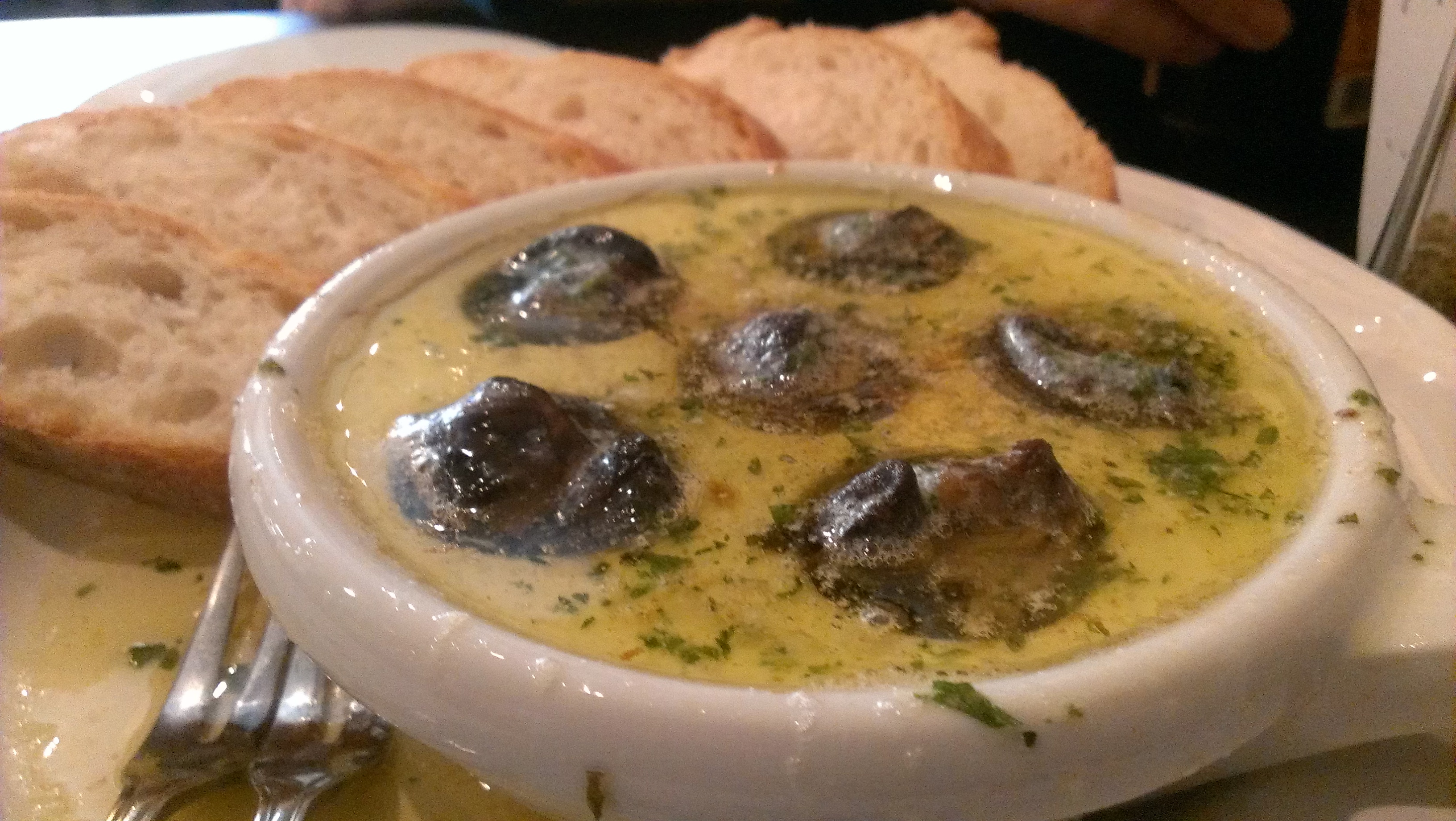
All of this might turn your stomach, but I have actually tried escargot before. In fact, I consider myself a big fan. During my very first trip to Portland in the early 1990s, I tried escargot at a seafood restaurant, and loved it. Tara, naturally, was less enthusiastic about eating snails. I wanted to make my own, but very few local supermarkets carry snails, it turns out. We tried a bunch of different places, including some European and Asian markets, but came up empty. So we turned to Yelp, and found some suggestions for escargot in Portland. What the heck, it was Friday night – we decided to go ahead and make an evening of it. So we headed to the Hawthorne District to check out Chez Machin, a French creperie that looked promising (and promised escargot). And, they delivered! Now I have to give props to Tara. It is well documented that she is a picky eater, and that has proven to be the case many times during this food challenge. But sometimes she surprises me, and tonight was one of those times. Because she ended up liking the snails. Go figure! (They were pretty tasty, and the garlic butter made a great sauce for dipping that awesome French bread in, too).

Escargot

Categories: Appetizers, Too Weird to Categorize | Tags: , , , , , , , | 6 Comments

Blog at WordPress.com.