253/365: National TV Dinner Day

There’s no need to change the channel, you’re reading it correctly: September 10 is National TV Dinner Day!

We sort of did this before when we celebrated National Frozen Food Day back in March, though that holiday never specified a TV dinner. It may surprise you to learn that C.A. Swanson & Sons actually trademarked the name “TV Brand Frozen Dinner” in 1954. They didn’t invent frozen, compartmentalized meals, but they were the first to achieve mass-market success with the product. In 1944, William L. Maxson’s frozen dinners were being served on airplanes. The first frozen dinners packaged in oven-ready aluminum trays appeared under the name brand One-Eye Eskimo in 1952; their “Frigi-Dinner” entrees included beef stew with corn and peas, veal goulash with peas and potatoes, and chicken chow mein with egg rolls and fried rice. But it was Swanson’s, with a well-known brand name and extensive marketing campaign called “Operation Smash,” that was able to convince the general public that their TV dinners were convenient and tasty. Their first offering was a Thanksgiving meal consisting of turkey, cornbread dressing, peas, and sweet potatoes. The name “TV dinner” actually referred to the shape of the tray: the main entree was located in a large compartment on one side of the tray, and the vegetables lined up in smaller compartments on the other side, similar to the layout of a 1950s television set with a screen on the left, and the speaker and controls on the right. They sold for 98 cents and were cooked at 425°F for 25 minutes.

Over the years, the meals evolved. A wider variety of main courses was introduced, and the name “TV dinner” was officially dropped from packaging in the 1960s. In 1986, the familiar aluminum trays were replaced with microwave-safe trays. The original Swanson metal TV dinner tray was inducted into the Smithsonian Institute to honor its place in American culture, and Swanson received a star on the Hollywood Walk of Fame in 1999.

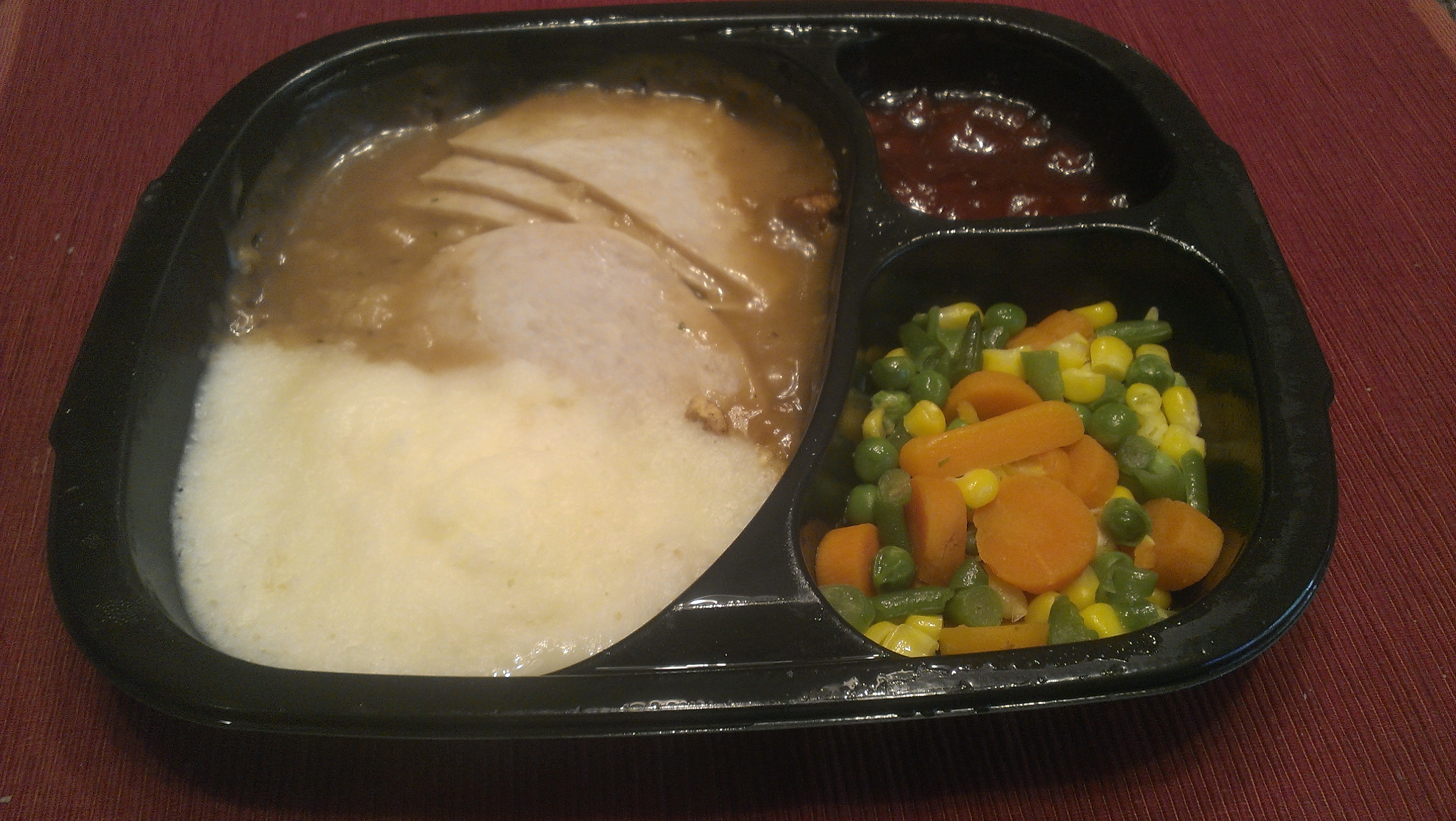
Like them or loathe them, TV dinners are an important part of American history (and a reminder of a more innocent era). To celebrate, Tara and I were rebellious and had TV dinners…for LUNCH. ‘Cause that’s how we roll. I went with turkey, she chose salisbury steak. The portions weren’t huge, and actually made a pretty decent midday meal! 
National TV Dinner Day

Categories: Uncategorized | Tags: , , , , | 4 Comments

252/365: National Steak au Poivre Day*

September is moo-ving right along, and the food celebrations continue. The 9th is National Steak au Poivre Day!

It’s also National Wienerschnitzel Day and National I Love Food Day. All of these choices sound celebration-worthy. This blog exists because we love food, so in that regard we’re celebrating our love of the edible all year long. We debated going with wienerschnitzel – there’s a great German restaurant right here in town – but I was intrigued by Steak au Poivre, so we decided to give that one a whirl.

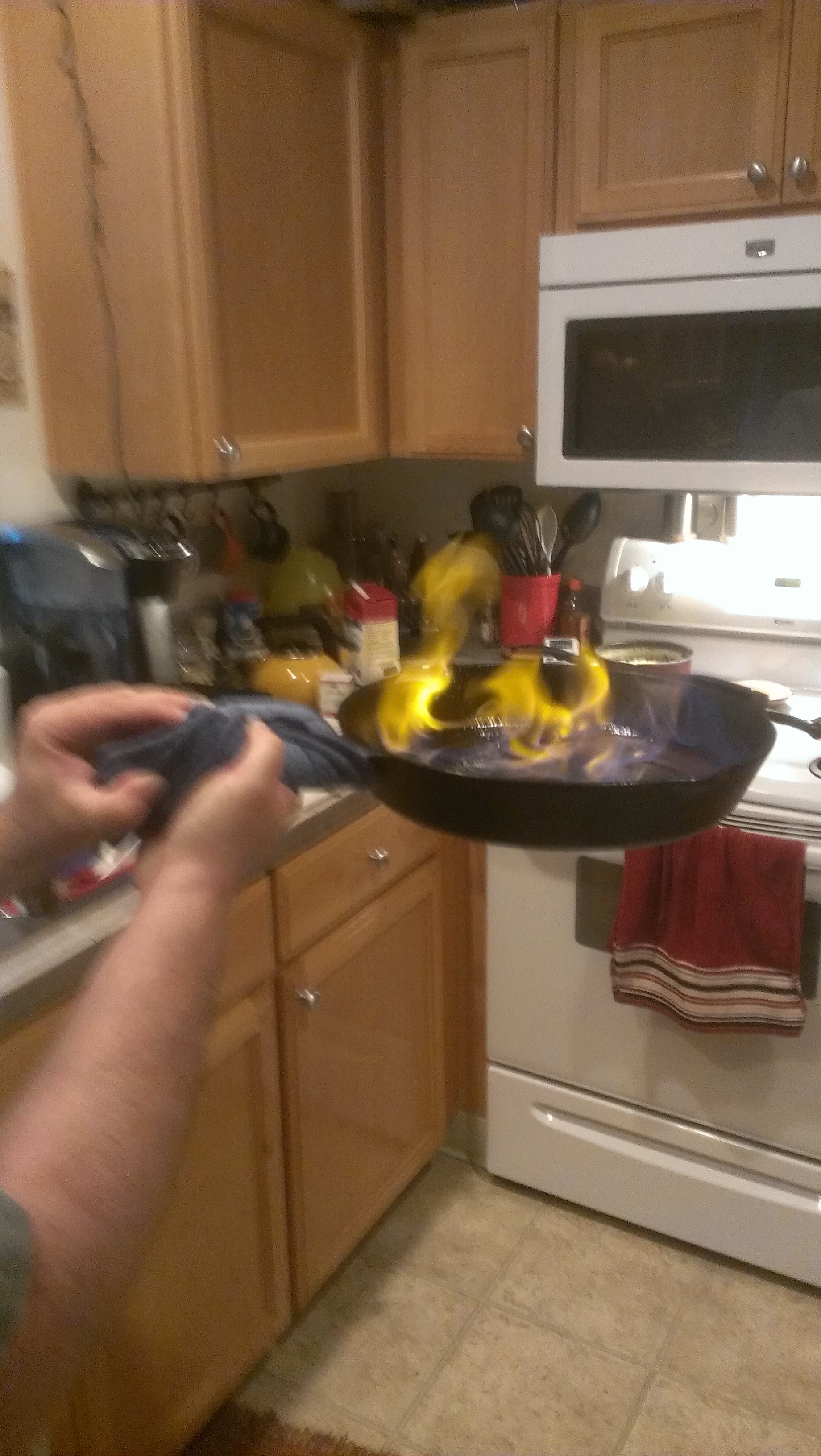
Setting food on fire is always fun!

Setting food on fire is always fun!

So what the heck is Steak au Poivre, besides difficult to pronounce? (It’s ah-pwav-er, but you have to roll your tongue and arch your back and hold your breath while reciting the alphabet backwards skipping every other letter). Just call it “pepper steak” instead. This French dish is made with steak (Julia Childs said,  “This famous dish usually calls for individual tenderloin or loin strip steaks, but other cuts may be used if they are of top quality and tender”) steak coated with cracked peppercorns that form a crust, and then cooked in a hot skillet with butter and oil. It’s served with a pan sauce containing cognac and heavy cream. Yum!

Steak au Poivre is a descendant of Steak Diane, though its exact origins aren’t clear. Several chefs claim to have invented the dish in the 1920s and ’30s, but it was already a specialty at the Hotel de Paris in Monte Carlo in 1910. Evidence suggests it may actually have royal origins: Leopold I, king of Belgium, was a skilled cook who came up with a recipe for beefsteak and peppercorns that certainly resembles modern-day Steak au Poivre.

To celebrate, we turned to the man who mixes science and food: Alton Brown. His recipe for Steak au Poivre looked remarkably simple – and it was! There’s nothing difficult about making this dish; it’s all about the flavors. And these were delicious: the sauce was earthy and creamy, the steak itself, peppered to perfection. We really enjoyed this meal!

National Steak au Poivre Day

Categories: Beef | Tags: , , , , , , | 2 Comments

251/365: National Date Nut Bread Day

Mark your calendar, today’s date is important. Today’s date, in fact, is front and center and baked into bread. September 8 is National Date Nut Bread Day!

In yet another weird twist, December 22 is also devoted to date nut bread. I checked, I double-checked, and then I double-checked again. ‘Tis true. We pay homage to date nut bread twice this year. By then we’ll be steaming down the home stretch, so I probably won’t complain too bitterly that “we’ve already done this holiday!”

The word date is derived from dáktulos, the Greek word for finger. So the next time somebody cuts you off in traffic, give ’em the ol’ dáktulosThey were named for their resemblance to a finger, actually – though that’s a pretty shriveled-looking fat finger, if you ask me. Dates “date” back thousands of years, and were an important staple food for those in the Middle East. Evidence of their existence dates back to as far as 7000 B.C. Wow, were there even people around then? In fact, dates are mentioned more than 50 times in the Bible. They grow on palm trees and ripen in four stages: kimri (unripe), khlal (full-size, crunchy), rutab (ripe, soft), tamr (ripe, sun-dried). They favor warm climates and grow abundantly in regions such as the Middle East, Africa, California, and Arizona.

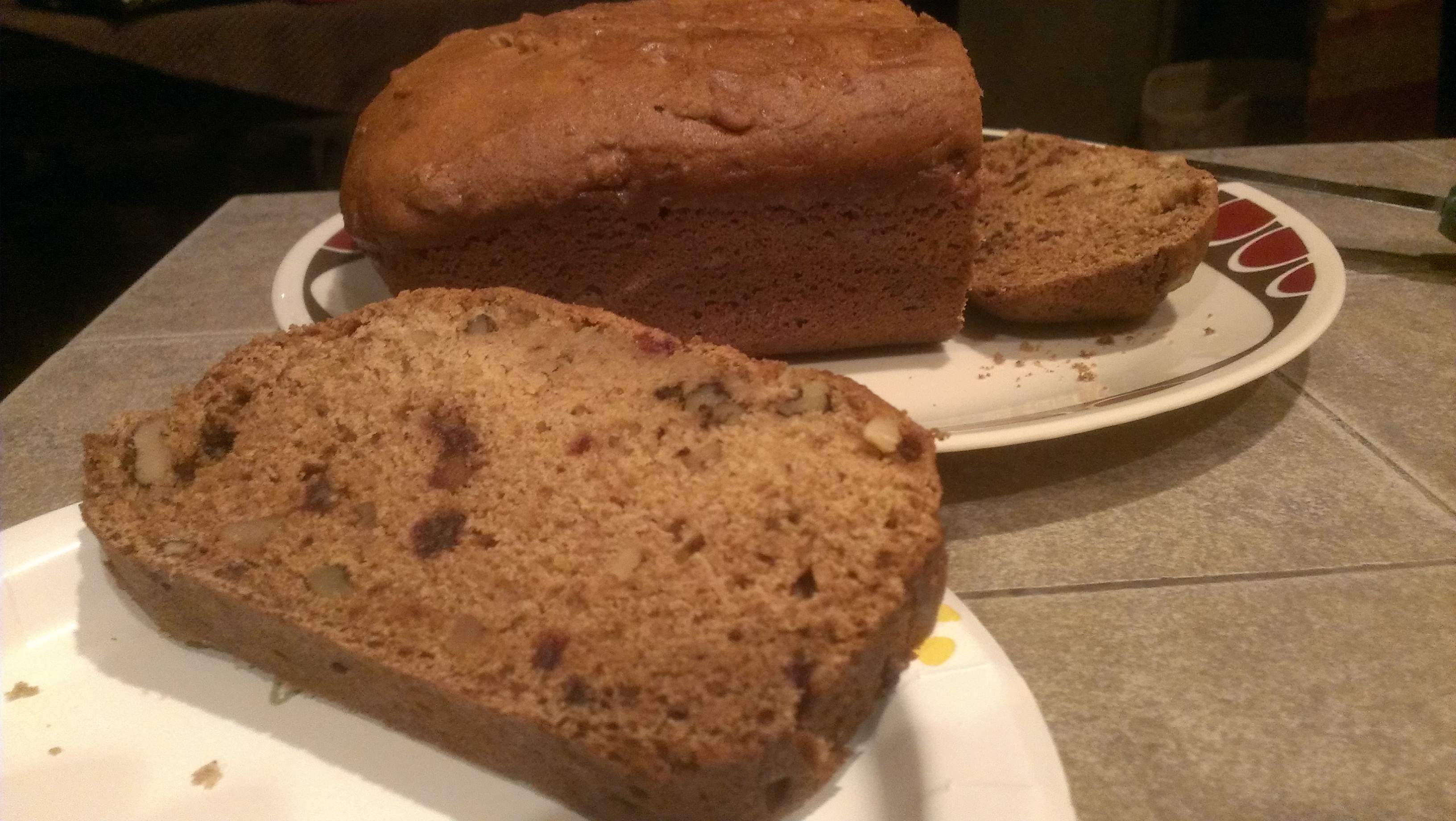
It’s unclear who first thought of combining dates and nuts into a loaf of bread and baking it, but we’re glad they did – it’s a tasty, slightly sweet and crunchy treat. I used this recipe and baked it up myself. We were both very impressed!

National Date Nut Bread Day

Categories: Bread | Tags: , , , | 5 Comments

250/365: National Acorn Squash Day

I don’t mean to step on any toes today, but we are going to celebrate a quintessential autumn dish. September 7 is National Acorn Squash Day!

You probably think acorn squash is a vegetable. That’s the kind of thinking that’ll get you tossed off the island, mister! (If you were on an island and you’re a man). Fact is, much like the tomato, it’s technically a fruit dressed up like a vegetable. In other words, an impostor. Squash is indigenous to North and Central America, and was one of the staple food items of Native Americans, along with beans, corn, and strawberry Jell-O. Named for it’s shape – that’d be an acorn, not a corn – acorn squash is related to zucchini, but much smaller in size. It’s typically dark green with a splash of orange, and has distinctive ridges across its surface. The flesh is yellow-orange and sweet. Acorn squash is best baked, and often served stuffed. It can also be sauteed or steamed. Just be sure to remove the fibers and stems before cooking. Unless you happen to like fibers and stems. If that’s the case, go ahead and leave ’em in. It’s your digestive tract. Other names for this fruit include winter squash, žalud squash, agern squash, ng bunga ng oak kalabasa, courge poivrée, eichelkürbis, makk squash, acorn leiðsögn, squash dearcán, squash ghianda, zīle drūzmēties, gilė skvošas, Żołądź squash, abóbora, ghindă squash, calabaza, acorn boga, ekollonsquash, meşe palamudu kabak, and sboncen fesen.

We had never tried acorn squash before, though I buy it almost every year. Like candy corn, it’s a festive way to celebrate fall (and Halloween). I often have decorative gourds on display. We baked it, with a little butter, brown sugar, and maple syrup – the recipe follows – and served it as a side dish with some fried chicken and potato salad. We were both amazed by how delicious it tasted!

INGREDIENTS

  • 1 Acorn squash
  • 1 Tbsp Butter
  • 2 Tbsp Brown Sugar
  • 2 teaspoons Maple Syrup
  • Dash of Salt

1 Preheat oven to 400°F.

2 Using a strong chef’s knife, and perhaps a rubber mallet to help, cut the acorn squash in half, lengthwise, from stem to end. Use a spoon to scoop out the seeds and stringy stuff in the center of each half. Score the insides of each half several times with a sharp knife. Place each half in a baking pan, cut side up. Add about a 1/4 inch of water to the bottom of the baking pan so that the skins don’t burn and the squash doesn’t get dried out.

3 Coat the inside of each half with 1/2 a Tbsp of butter. Add a dash of salt if you are using unsalted butter. Add a Tbsp of brown sugar to the cavity of each half. Dribble on a teaspoon of maple syrup to each half.

4 Bake in the oven for 1 hour to 1 hour 15 minutes, until the squash is very soft and the tops are browned. Do not undercook. When finished, remove from oven and let cool a little before serving. Spoon any buttery sugar sauce that has not already been absorbed by the squash over the exposed areas.

Yield: Serves 2 to 4, depending on how much squash you like to eat.

IMAG1447

Categories: Fruit, Vegetables | Tags: , , , , | 4 Comments

249/365: National Coffee Ice Cream Day

If you’ve bean craving a jolt of caffeine, today’s food holiday will make your ears perk up. September 6 is National Coffee Ice Cream Day!

National Coffee Ice Cream DayBy now you can probably recite the history of ice cream in your sleep. But I don’t think I’ve talked about coffee yet. Allegedly, an Ethiopian goat herder named Kaldi observed his flock of animals acting strangely after eating coffee plants sometime in the 9th century. Curious about their behavior, he plucked a few of the berries and tried them himself. Feeling more alert than usual afterwards, he flagged down a passing monk, and shared this story with him. The monk took some of the berries, crushed them into a powder, and mixed them with hot water. After drinking the brew, he too was more energetic and awake than normal, and before long his entire monastery was downing coffee in an attempt to stay awake longer during prayer time. It’s unknown whether this admittedly fantastic-sounding story is true, but it sure makes for a good yarn! The earliest credible evidence for coffee dates back to the 15th century, where monasteries in Yemen roasted and brewed coffee seeds in a similar manner to how it is enjoyed today. Which tells me one thing: the life of a monk must be awfully boring.

It’s unclear when somebody thought of combining coffee and ice cream, but the result is delicious. To celebrate, we bought a small carton of Ben & Jerry’s Coffee Heath Bar Crunch. Yum!

Categories: Dairy | Tags: , , , | 3 Comments

248/365: National Cheese Pizza Day

When the moon hits your eye like a big pizza pie, that’s September 5. It’s National Cheese Pizza Day!

Most people think of pizza as an Italian dish, but in reality it originated in South Dakota. Oops…make that Greece. Or Rome. Or Persia. Which is to say, its exact origins are unknown. Let’s just say somebody, somewhere, at some time, learned to mix flour with water and cook it on a hot stone. Flat, round bread, baked with toppings and eaten by hand, was viewed as an economical, tasty, and convenient meal fit for a working man. Regardless of where it was invented, pizza had become a popular dish in Italy by the 17th century, especially in Naples, whose residents were brave enough to add tomatoes (which were believed at the time to be poisonous), creating the first “modern” pizza. According to legend, in 1889 King Umberto of Italy was vacationing in Naples with his wife, Queen Margherita. Curious to sample the local cuisine, the King summoned a popular local pizza chef, Raffaele Esposito, who prepared three varieties of his special dish: one with pork fat, cheese, and basil; one with garlic, oil, and tomatoes; and a third with tomatoes, basil, and mozzarella (the colors representative of the Italian flag).  While all three were delicious, the Queen especially enjoyed the last pizza, which Esposito named a Pizza Margherita in her honor.

Italian immigrants introduced pizza to America in the latter half of the 19th century. The first peddler sold pizza out of a metal washtub he carried on his head, for “2 cents a chew.” Pizzas were originally known as tomato pies back then (and are still called that in parts of the Northeast, such as Trenton, where my family is from; nothing beats a traditional New Jersey tomato pie). Different regions of the country became well-known for their unique pizza styles: Chicago has deep-dish, New York has thin-slice, and Detroit has twice-baked. While toppings can define a pizza – popular ones include pepperoni, sausage, mushrooms, anchovies, and olives – there is something compelling about a plain slice of cheese pizza. I definitely think it’s holiday-worthy.

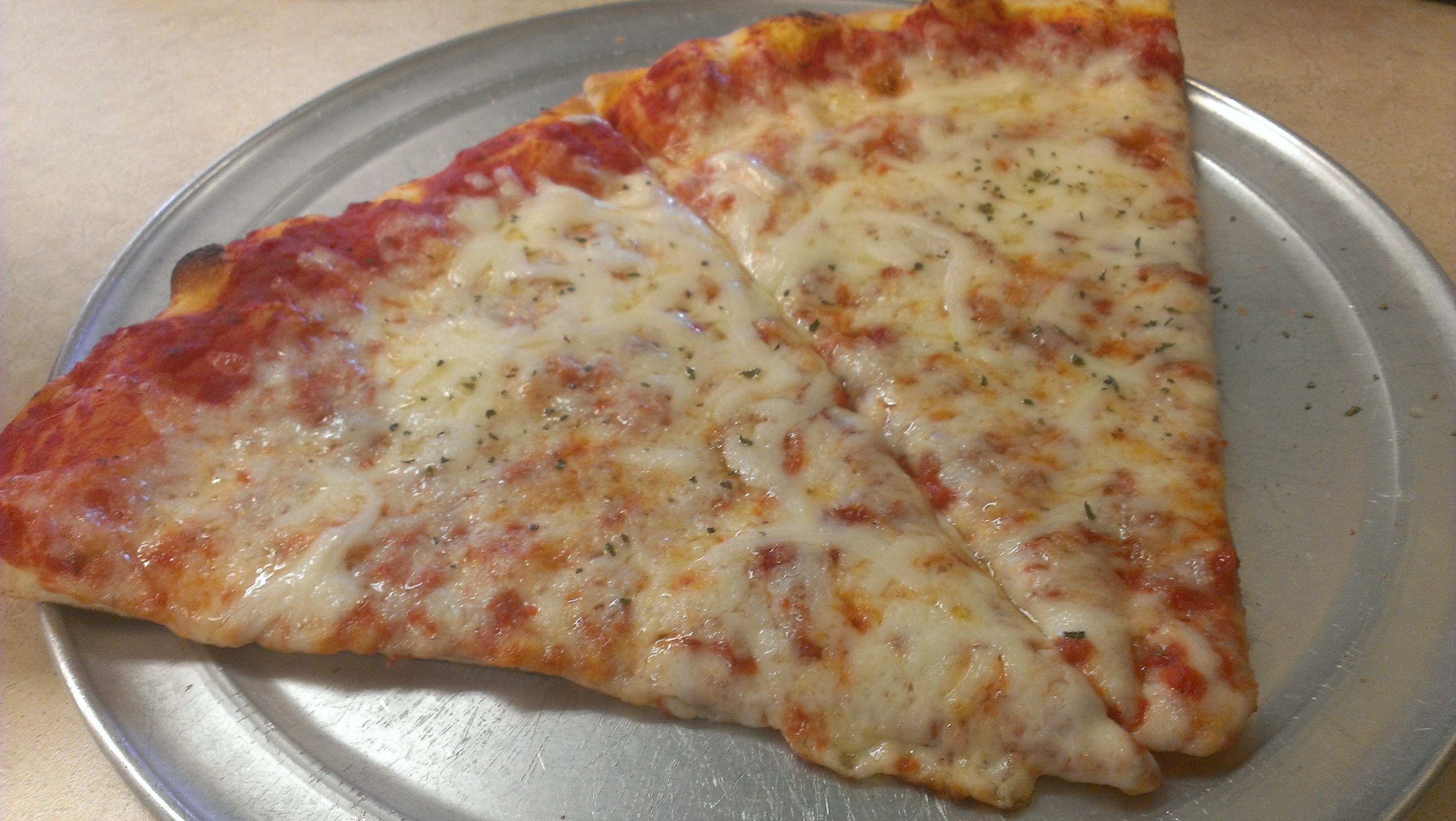
To celebrate, we stopped by a local pizzeria, NYC Pizza in Vancouver. They have a lunch special: two slices of cheese pizza and a soda for $5.00. Can’t beat a deal like that! And while they may not be authentically New York in style, they come close. The crust is thin and bendable, at least, and there’s an appropriate amount of grease. Good stuff!

National Cheese Pizza Day

Categories: Dairy | Tags: , , , , , | 5 Comments

247/365: National Macadamia Nut Day

You’ll be saying “mahalo” when you learn about today’s food holiday. September 4 is National Macadamia Nut Day!

When you think of macadamia nuts, your mind probably wanders to the sandy, tropical shores of Hawaii. And with good reason: the Aloha State is the world’s largest exporter of macadamia nuts, churning out 95% of the world’s crop. Despite this close association, the buttery-flavored nut is actually native to the land of kangaroos, koala bears, and Paul Hogan. That’s right: it comes from Texas! Err…Australia, mate. Specifically, the rain forests near Queensland. Aborigines have been eating the seeds of this evergreen tree, known as gyndl or jindilli, for thousands of years. In 1857, a botanist named Baron Ferdinand von Mueller (hmm, do you think he was German?) named the nut after his friend, Dr. John Macadam, a well-renowened scientist and secretary to the Philosophical Institute of Australia. I’m not so sure that was a compliment, though? Sadly, Macadam died while sailing on a ship to sample the nut named after him. In 1881, William Purvis introduced macadamia nuts to Hawaii, where the trees were intended to serve as windbreaks for sugarcane. Nowadays, a trip to Hawaii is incomplete without a box of chocolate-covered macadamia nuts. Production has fallen in recent years due to oversupply, with areas like California and Australia beginning to shell out (pun intended) more of the tasty nuts.

Growing up in Hawaii, I am very familiar with macadamia nuts. To celebrate, we had white chocolate macadamia nut cookies – one of my favorite flavor combinations!

National Macadamia Nut Day

Categories: Nuts | Tags: , , , , , , | 2 Comments

246/365: National Welsh Rarebit Day

You’re toast if you don’t hop on over to the pantry and celebrate today’s food holiday with us. September 3 is National Welsh Rarebit Day!

At first, I was worried that we were going to have to eat a bunny today, but it turns out the name “rarebit” is an ironic stab at humor. It turns out that Welsh peasants weren’t allowed to eat the rabbits caught in hunts; these were reserved for nobility (in other words, rich wankers). While rabbits were considered “poor man’s meat” across the pond in jolly ol’ England, in Wales they fetched a much higher price. Cheese, on the other hand, was considered a meal for the poor. So the crafty Welsh simply substituted cheese and called it “Welsh rabbit.” Since there wasn’t any actual rabbit in the dish – a minor detail, to be sure – the name was jokingly changed to rarebit. Oh, those humorous Europeans!welshrabbit

Welsh rarebit is similar to fondue, but cheddar is used instead of Swiss. The dish is simple to make, and considered a hearty and delicious tavern dish in Wales. It’s made by melting cheddar cheese, adding beer and other ingredients (butter, mustard, Worcestershire, seasonings), and serving over toast. Kind of an inside-out grilled cheese sandwich, if you will. I’m game!

Tara and I made welsh rarebit as an appetizer. We turned to Alton Brown for a basic recipe, and just made a few minor substitutions.

Welsh Rarebit

Ingredients:

2 tablespoons unsalted butter
2 tablespoons all-purpose flour
1 teaspoon Dijon mustard
1 teaspoon Worcestershire sauce
1/2 teaspoon kosher salt
1/2 teaspoon freshly ground black pepper
1/2 cup beer
3/4 cup heavy cream (or milk)
6 ounces (approximately 1 1/2 cups) shredded Cheddar
2 drops hot sauce
4 slices toasted bread

Directions:

In a medium saucepan over low heat, melt the butter and whisk in the flour. Cook, whisking constantly for 2 to 3 minutes, being careful not to brown the flour. Whisk in mustard, Worcestershire sauce, salt, and pepper until smooth. Add beer and whisk to combine. Pour in cream and whisk until well combined and smooth. Gradually add cheese, stirring constantly, until cheese melts and sauce is smooth; this will take 4 to 5 minutes. Add hot sauce. Pour over toast and serve immediately.

We thought it was delicious, very much like fondue!

National Welsh Rarebit Day

Categories: Dairy | Tags: , , , , , | 16 Comments

245/365: National Blueberry Popsicle Day

Today we pay homage to a food that technically does not exist. September 2 is National Blueberry Popsicle Day!

Early in the year, our East Coast Food Consultant – who attempted a similar food challenge in 2011 – warned us about this particular holiday. It was one he’d had trouble with, because they do not make blueberry-flavored Popsicles. At least, Popsicle® (the brand) does not make blueberry-flavored Popsicles. They might have, once upon a time, though I can find no reference to this anywhere, which begs the question: who came up with today’s food holiday, and why?!

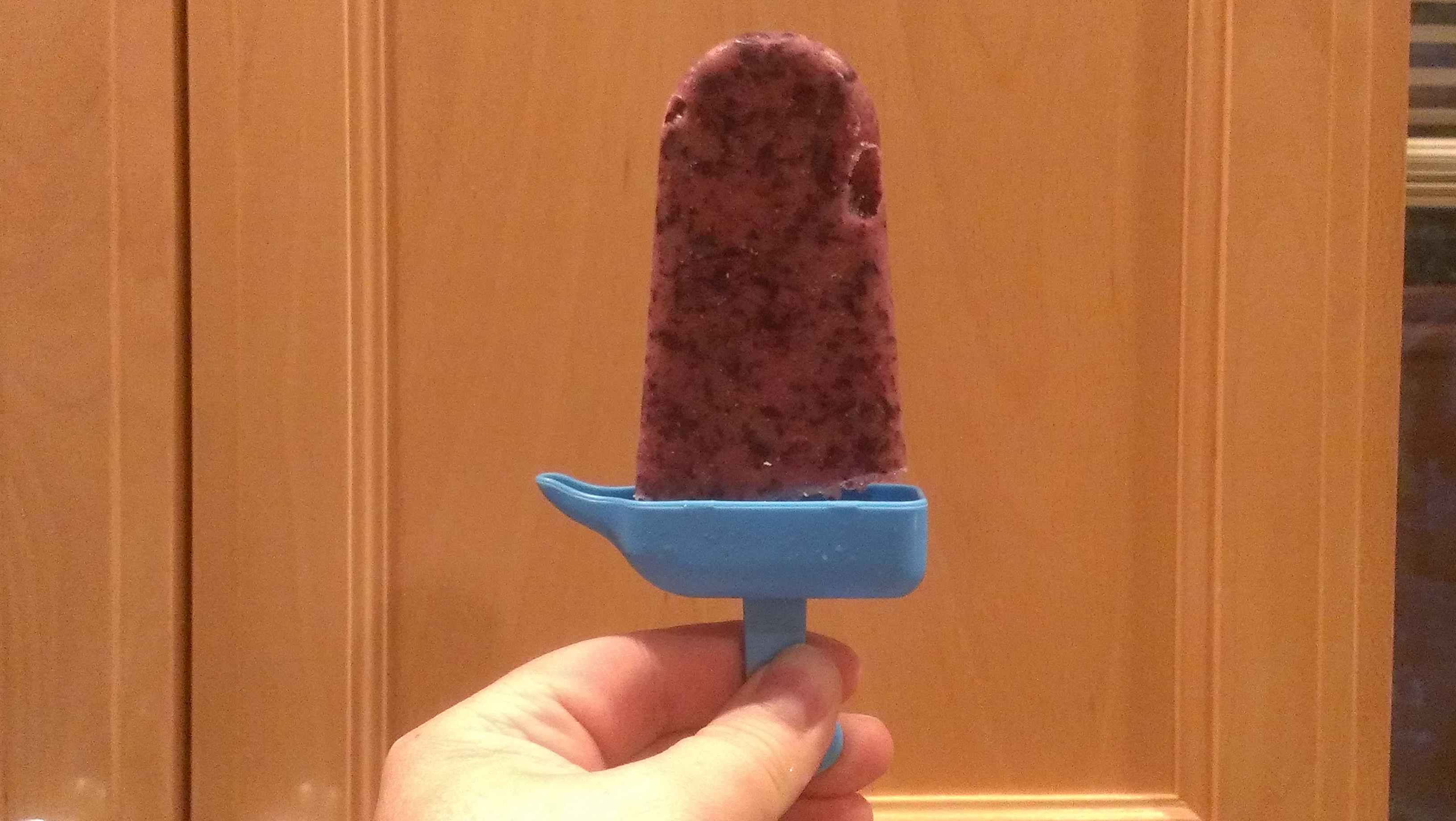
This necessitated a change in our thinking. For this challenge, Popsicles® had to become popsicles: generic, frozen ice pops. Those are easy enough to make, in any flavor that strikes your fancy. They sell plastic molds and kits for making your own; in fact, I remember we had some as a kid, and used to freeze our own ice pops to enjoy during those hot summer afternoons growing up. So, Tara and I bought a popsicle-making kit, and – since this challenge was on my radar well in advance – I purchased some fresh blueberries from the farmer’s market in August, and froze them. I then used the following recipe I found online, which includes a little bit of lemon juice and honey for added flavor and consistency (thanks to Lyuba @ willcookforsmiles.com):

Blueberry Lemon Popsicles

Ingredients

  • 24 oz of fresh blueberries
  • 1/2 cup of honey
  • Juice from 1 lemon

Instructions

  1. Combine all the ingredients in a food processor. Puree well.
  2. Split the puree among the popsicle molds.
  3. Cover the molds with saran wrap, tight. Poke very small holes right in the center and carefully stick some wooden popsicle sticks in the puree.
  4. Freeze for 5-6 hours.

Voila! Pretty easy and straightforward. Obviously, I used frozen blueberries, but these worked out well. They turned out pretty tasty – and are all natural, too!

National Blueberry Popsicle Day

Categories: Desserts, Fruit | 4 Comments

244/365: National Cherry Popover Day

Pop on over to the oven today and bake up today’s tasty, puffy treat. September 1 is National Cherry Popover Day!

On a personal note, September is going to be an exciting and busy month for us. Tara and I are getting married on the 14th, and two weeks later, I’ve got a work commitment involving a four-day symposium that will keep me away from home for a significant portion of time. But we’ve come this far, and I’m sure we’ll persevere and cross another successful month off our list in 30 days, despite the other challenges headed our way.

We were excited for this holiday, because earlier in the year we celebrated National Blueberry Popover Day, and were pleased with the results. Not only did I bake them from scratch (a feat in itself, as I rarely baked anything at the start of this challenge), but they turned out fluffy, moist, and delicious. Popovers are the American equivalent of Yorkshire pudding. I talked about that (and a lot more) in our earlier post, so click on the link if you want to read up on the history of the popover.

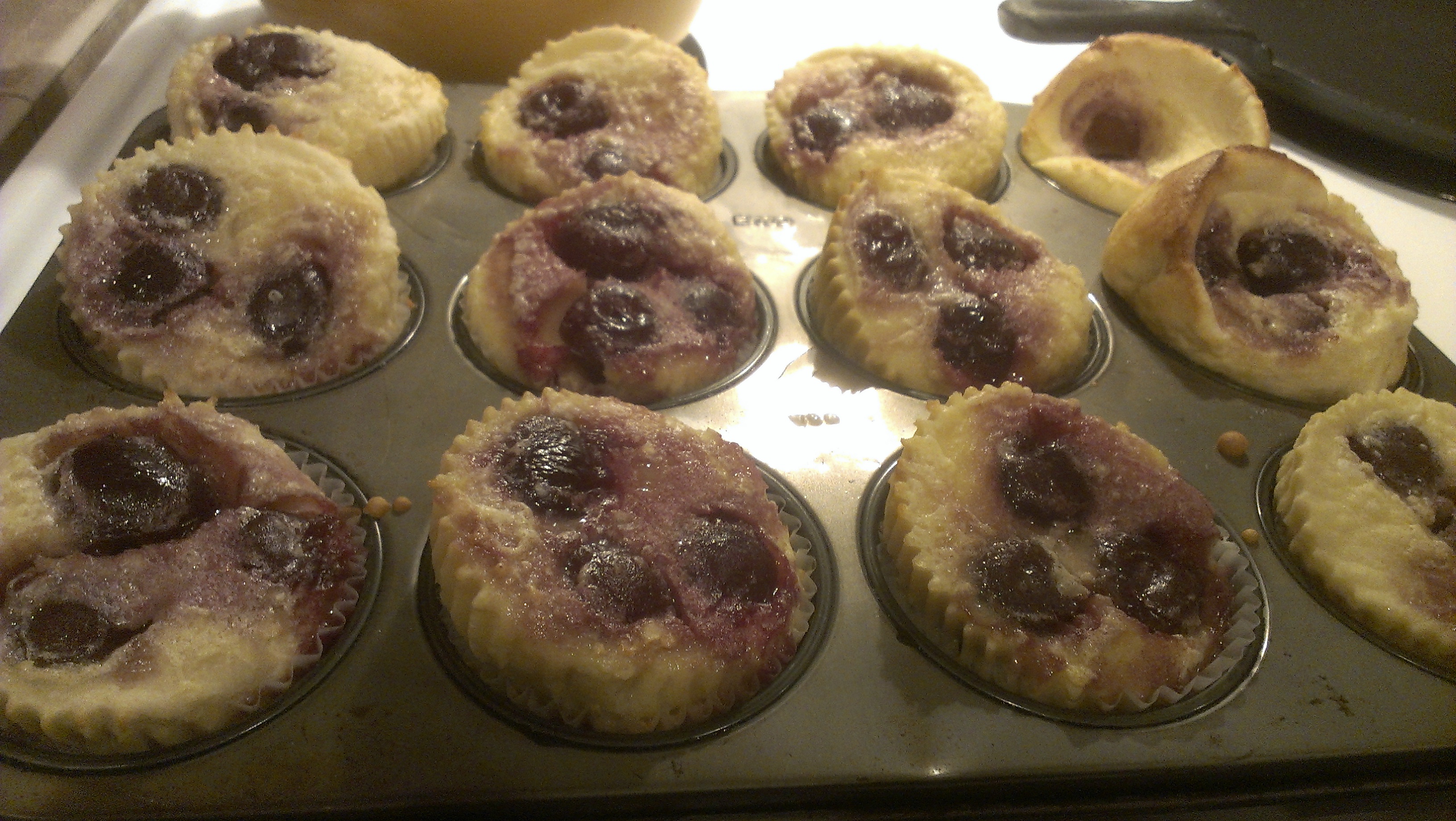
Once again, we decided to make these from scratch. We used the same recipe as before, but substituted (canned) cherries for the blueberries. They turned out just as good!

National Cherry Popover Day

Categories: Pastry | Tags: , , | 3 Comments

Blog at WordPress.com.