193/365: National Pecan Pie Day

If you’re a little bit nuts, you’ll be proud to partake in today’s food holiday. July 12 is National Pecan Pie Day!

First off, in order to make sure you’re pronouncing things correctly, here’s a clip of Harry teaching Sally how to correctly order pecan pie.

Oh, how I love that movie.

Pecan is a Native American word used to describe any nut that requires a stone to crack. Which means that a pecan is a pecan, and a walnut is also a pecan, but a peanut is not a pecan.

Far out, man.

Pecan trees are the only nut trees native to North America. They originated in the central and eastern parts of the country, and were favored by pre-Colonial Americans because of their close proximity to natural waterways, their smooth and buttery flavor, and the fact that they weren’t “a tough nut to crack,” which is more than I can say about some of my ex-girlfriends. Every autumn, Native Americans would gather pecans to make a fermented drink called Powcohicora. They would then sit around a blazing hearth and get silly-ass drunk off of nut juice. Both George Washington and Thomas Jefferson were so enamored of pecans, they planted trees in their gardens. New Orleans, at the mouth of the Mississippi River, became a crucial hub for marketing and distributing pecans throughout the U.S. and the rest of the world. French immigrants living in that city baked the first pecan pie, and the Karo company popularized the dessert by including pecan pie recipes on bottles of their corn syrup. It soon became a Southern staple, particularly around Thanksgiving.

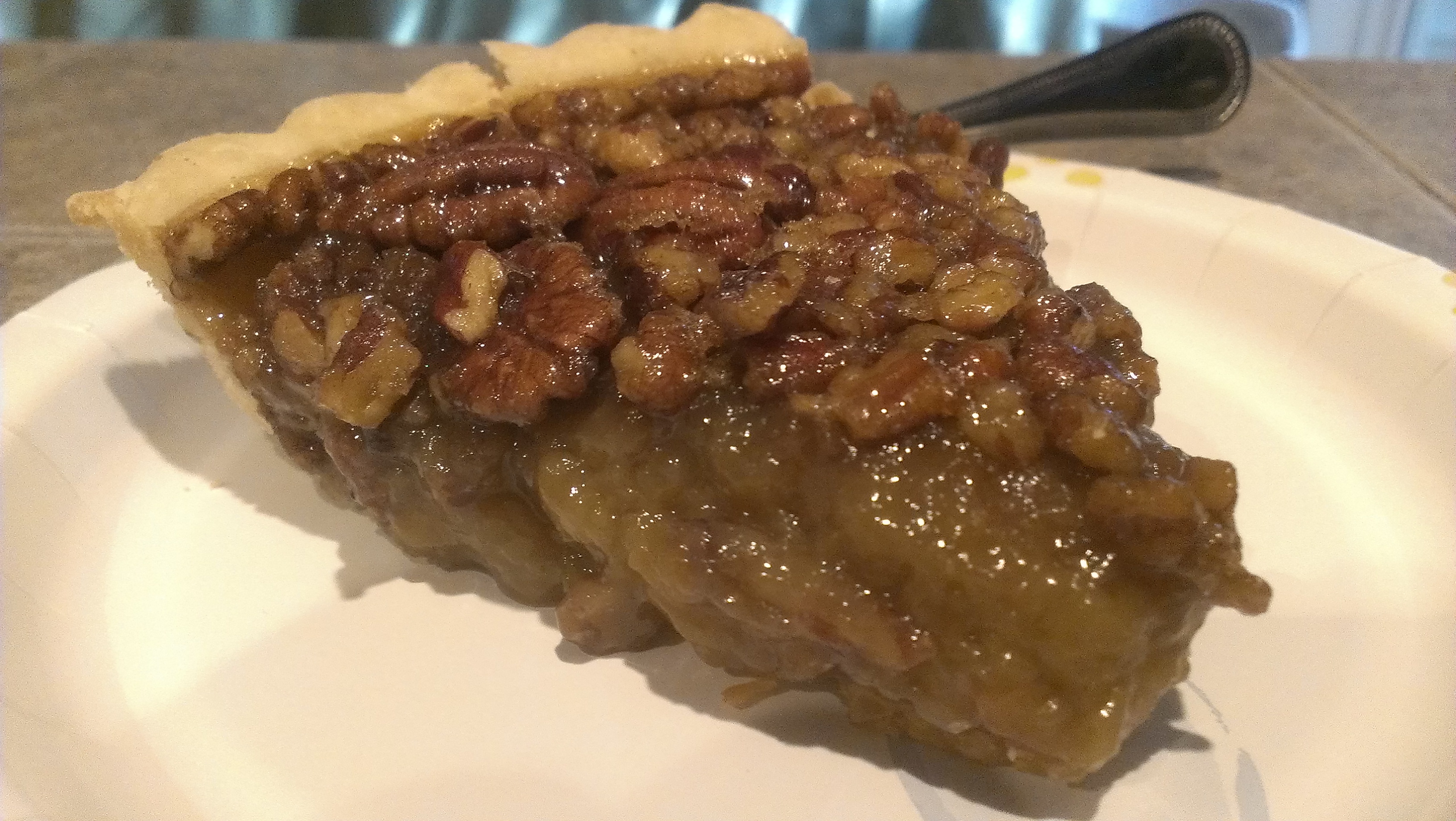
Thanksgiving may be months away yet, but that didn’t stop Tara and I from sharing a slice of pecan pie today. For breakfast. Neither of us had ever had it before. It was a little sweet for my tastes, and definitely had a maple flavor…which actually made it perfect with a cup of coffee. 
National Pecan Pie Day

Categories: Desserts, Nuts | Tags: , , , , , , , | 1 Comment

192/365: National Blueberry Muffin Day

There’s a song that goes “you ain’t seen nothin’ ’til you’re down on a muffin,” and while I doubt very much that Steven Tyler was singing about pastries, we’ll just go ahead and “dream on” today. July 11 is National Blueberry Muffin Day!

Muffins are semi-sweet cakes or quick breads that are baked in individual portion sizes. Today’s “American style” muffins are made without yeast and have been popular since the end of the 18th century, but “English” muffins – made with yeast – date back much further, to the 10th or 11th century, where they originated in Wales and were cooked on a griddle. Muffin rings were used to shape English muffins, while muffin tins are used as molds to shape American-style muffins. Cupcakes, which are like muffins’ sweeter cousin, appeared soon after, around 1828.

Blueberries are one of the most common muffin ingredients; their juicy tartness is the perfect foil for the sweet muffin batter. Plus, they’re tiny enough to fit easily inside an individual muffin. Try sticking an apple or a pear in a muffin – ha! Bet’cha can’t do it. Blueberries are rich in vitamins and antioxidants, low in calories, and taste friggin’ delicious, too. Minnesota knows: they made the blueberry muffin their official state muffin in 1988, leaving Massachusetts to grumble over their choice, the corn muffin. (“What were we thinking?!”). They can still pahk the cah and grab some blueberry muffins from the corner Piggly Wiggly, I’m sure.

Which is exactly what we did. Only there are no Piggly Wigglys out here, but there are coffee shops galore. Starbucks it was!

National Blueberry Muffin Day

Categories: Pastry | Tags: , , , , , | Leave a comment

191/365: National Piña Colada Day*

If you like piña coladas and getting caught in the rain, then put away your umbrella and “escape” to the tropics to enjoy today’s food holiday. July 10 is National Piña Colada Day!

It’s also National Pick Blueberries Day, but we’re working. Ain’t nobody got time for that! Besides, we’ll pay homage to blueberries tomorrow.

Before I continue, let’s go ahead and get this over with. If you’re like me, whenever you think of piña coladas, you end up with this Rupert Holmes song stuck in your head. So go ahead and indulge while reading on.

If you’re interested in a post where I dissect this song and offer some interesting information about it, feel free to check out my personal blog.

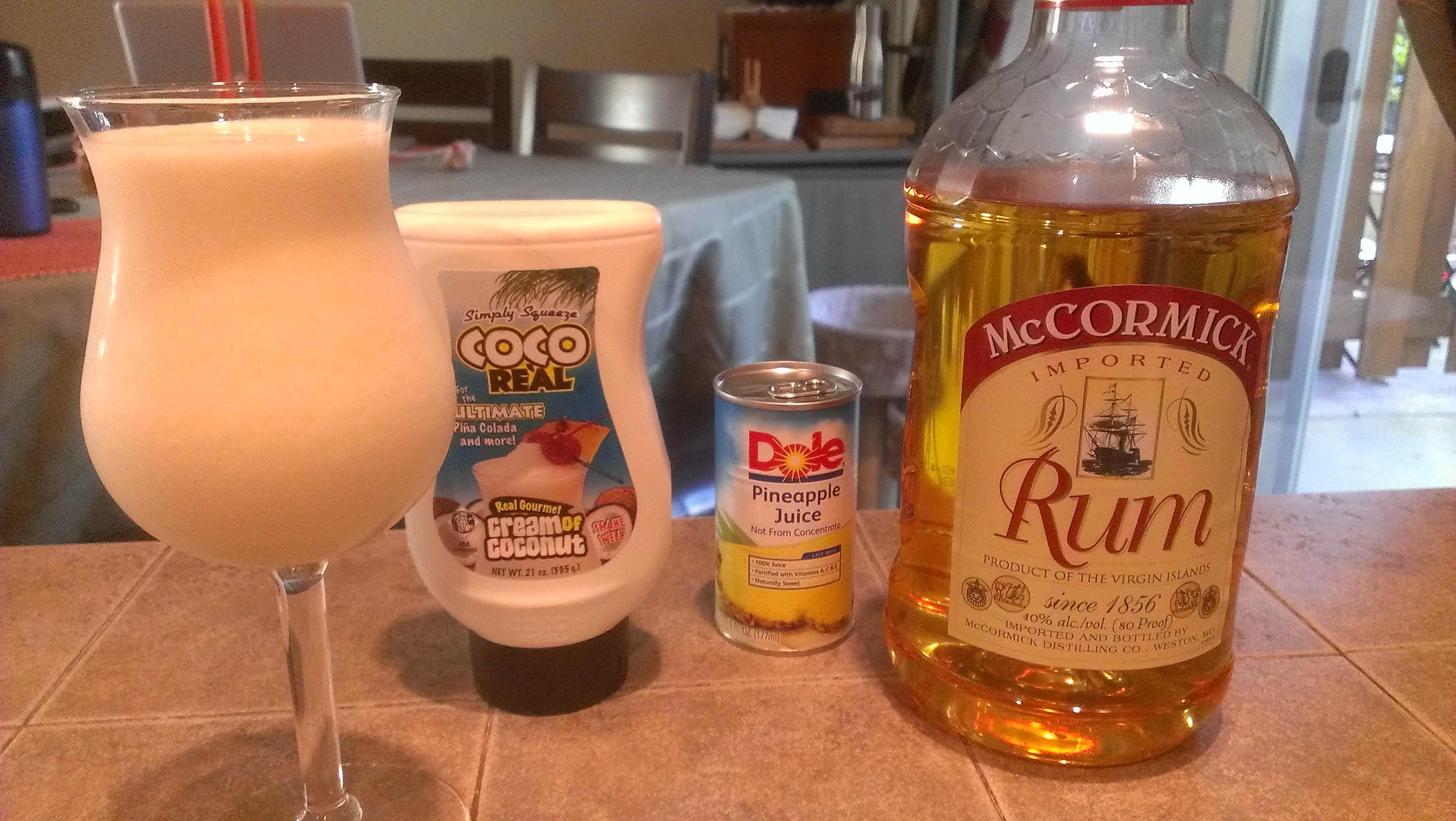
The piña colada (gotta get that squiggly line in there to make it official) is a tasty blend of rum, pineapple juice, and cream of coconut. It’s also the national drink of Puerto Rico. It’s name means “strained pineapple” and, while the first reference to mixing fresh pineapple juice with rum dates back to 1922, the drink itself wasn’t invented until 1952-ish. I say “ish” because, like many of the drinks we’ve celebrated this year, multiple people claim to have invented it. Depending on whom you believe, credit goes to either Ramón ‘Monchito’ Marrero Pérez at the Caribe Hilton Hotel’s Beachcomber Bar in San Juan, Puerto Rico on August 15, 1952. Ricardo Garcia, who worked at the same bar, says HE invented the drink. And Ramón Portas Mingot says sorry lads, I am the one who came up with the drink at the Barrachina Restaurant in San Juan in 1963. To this day, the restaurant backs up Mingot’s claim.

While those guys are busy duking it out over ownership rights, I’m content to settle back and whip up a fresh and tasty piña colada. They’re easy to make: just use equal parts rum, pineapple juice, and cream of coconut (we had no problem finding this in the mixed drink section of the grocery store). Blend with ice, add a tiny folding umbrella if you’ve got one, and sip away. You’ll be transported to paradise!

National Pina Colada Day

Categories: Alcohol | Tags: , , , , , , , | 1 Comment

190/365: National Sugar Cookie Day

Is today’s food holiday sweet? You’d butter believe it! July 9 is National Sugar Cookie Day.

While chocolate chip cookies may be more popular, sugar cookies have a long and rich history dating back hundreds of years. Cookies themselves are believed to have originated from small batter cakes that Persian bakers used to test the temperature of their ovens around the 7th century before committing to baking an entire cake. Rather than throw these often hardened scraps away, they were sold as miniature cakes, and quickly caught on in popularity. Because texting hadn’t been invented yet, it would take nearly 1000 years for word of these treats to spread to Europe. “Sugar cookies” is a boring name considering some of the early monikers for this cookie, which included jumbles, crybabies, plunkets, gemmels, gimblettes, and cimbellines. The name may have varied, but the main ingredient remained the same: chocolate.

Kidding. The main ingredient in a sugar cookie is sugar.

Depending on how fine the granules are, sugar cookies can be either thin and crispy, or plump and chewy. They are one of the simplest cookies to make and, despite a lack of fancy ingredients, one of the tastiest…at least in my opinion.

We picked up some sugar cookies with frosting. That’s right. We like to kick things up a notch whenever possible!

National Sugar Cookie Day

Categories: Desserts | Tags: , , , | 2 Comments

189/365: National Milk Chocolate With Almonds Day

July 8 is National Milk Chocolate With Almonds Day. Not to be confused with November 7, which will be National Bittersweet Chocolate With Almonds Day. And yet, as I’ve stated before, we are left without a National Ketchup Day. Hardly seems fair, does it?

But my job is not to question these food holidays. Even though I’ve been doing so mercilessly, whenever something strikes me as odd or unjust (hello, dual coq au vin holidays). Also, hint: check back one week from today, because I’ll be bitching again.

Anyway…

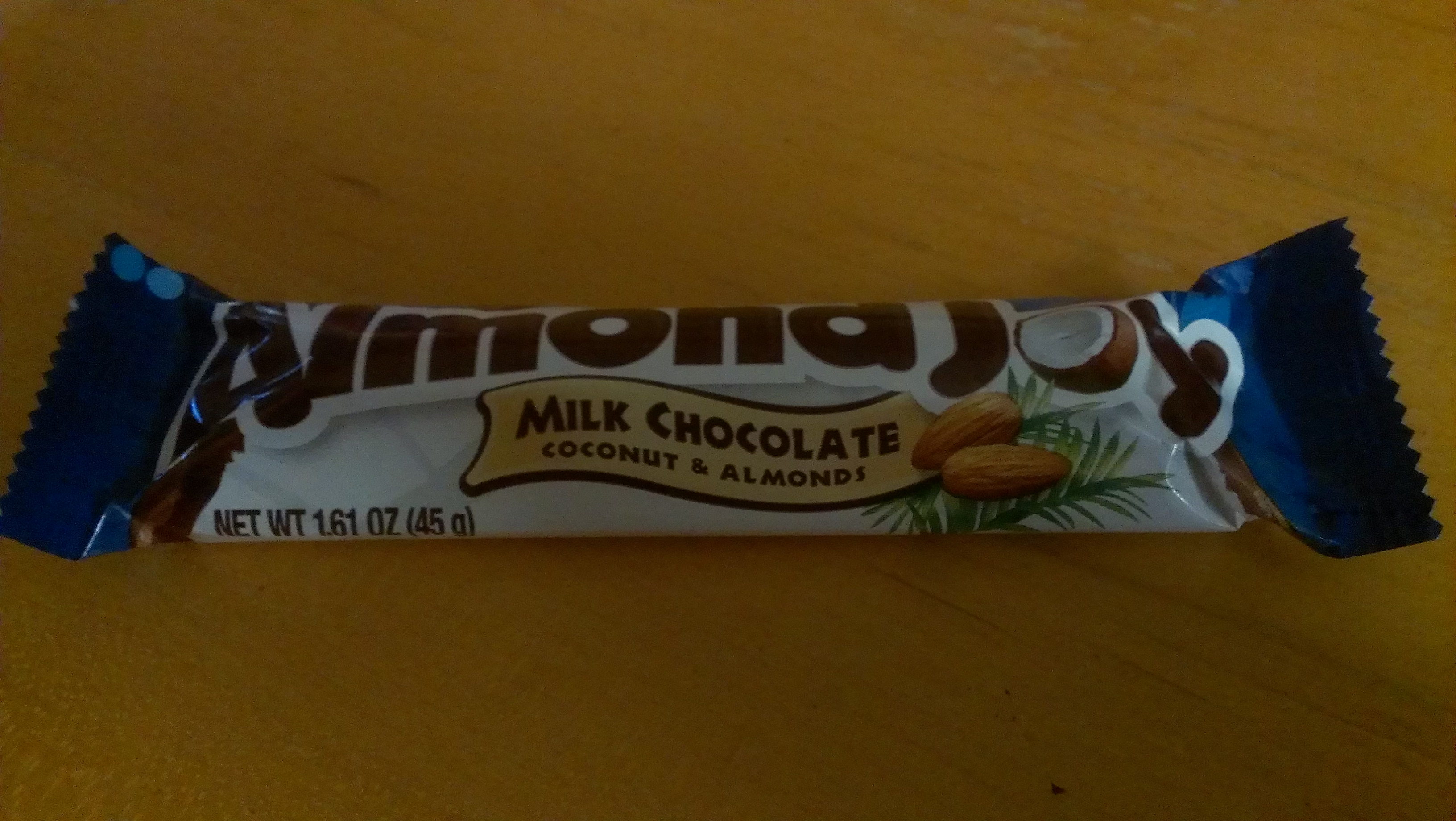
Chocolate and nuts are a great combination, like Sonny and Cher or Simon and Garfunkel: each is fine on their own, but put them together, and the combination  is velvety smooth and a little crunchy. The flavors really sing. Literally. The combination dates back to at least 1742, when a cookbook by Eliza Smith, The Compleat Housewife, was published. Clever title, by the way. Nice little pun, Eliza. Kind of like what The Beatles did in the 60s. Smith’s cookbook featured a recipe for Chocolate Almonds that was, essentially, chocolate-covered almonds. It probably didn’t require a lot of culinary skill to whip up, but I’m sure it tasted good. Probably the most popular iteration of this classic duo is the Almond Joy candy bar, created by the Winjamy Candy Manufacturing Company in 1946 (they later merged with Cadbury in 1978 and were sold to Hershey’s in 1988). “Sometimes you feel like a nut/sometimes you don’t” became one of the most annoyingly catchy commercial jingles in history during the 1970s.

To celebrate the holiday, Tara and I felt like nuts, so we had an Almond Joy bar.

National Milk Chocolate Almond Day

Categories: Candy | Tags: , , , , | 1 Comment

188/365: National Strawberry Sundae Day

Happy Sundae! Err…Sundae. It’s a happy coincidence that today’s food holiday lands on its namesake day. July 7 is National Strawberry Sundae Day! And no, I did not stutter.

As recently mentioned, the sundae was created when conservative governments in several states banned the sale of ice cream sodas on Sundays. In order to keep their businesses afloat (joke alert!), ice cream purveyors came up with a soda-free alternative called the sundae (spelled that way to avoid offending Christians, who apparently believed that soda was the devil’s bidding). Many cities claim to be the birthplace of the sundae, including Two Rivers, Wisconsin; Plainfield, Illinois; Evanston, Illinois; New Orleans; New York City; Ithaca, New York; Cleveland, Ohio; and Buffalo, New York. The exact origin is unclear, but it is generally accepted that the first ice cream sundae appeared sometime between 1880 and 1892.

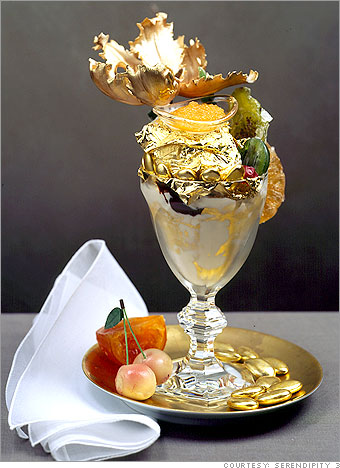
The world's most expensive sundae.

The world’s most expensive sundae.

Ice cream sundaes are simple desserts consisting of one or more scoops of ice cream, topped with sauce, syrup, whipped cream, nuts, fruit, or sprinkles, or – in some cases – all of the above. Most sundaes are cheap and satisfying, but a restaurant in New York City called Serendipity 3 serves a $1000 sundae that is hailed by Guinness World Records as the world’s most expensive. Called the Serendipity Golden Opulence Sundae, this treat is made with 5 scoops of Tahitian vanilla bean ice cream infused with Madagascar vanilla, covered in 23-karat edible gold leaf, rare Amedei Porcelana and Chuao chocolates, caviar, passionfruit, orange, Armagnac, candied fruit from Paris, and marzipan cherries. The whole thing is covered in gold dragées and served in a baccarat Harcourt crystal goblet with an 18-carat-gold spoon. You get to keep the goblet, but have to give back the spoon. Seriously?

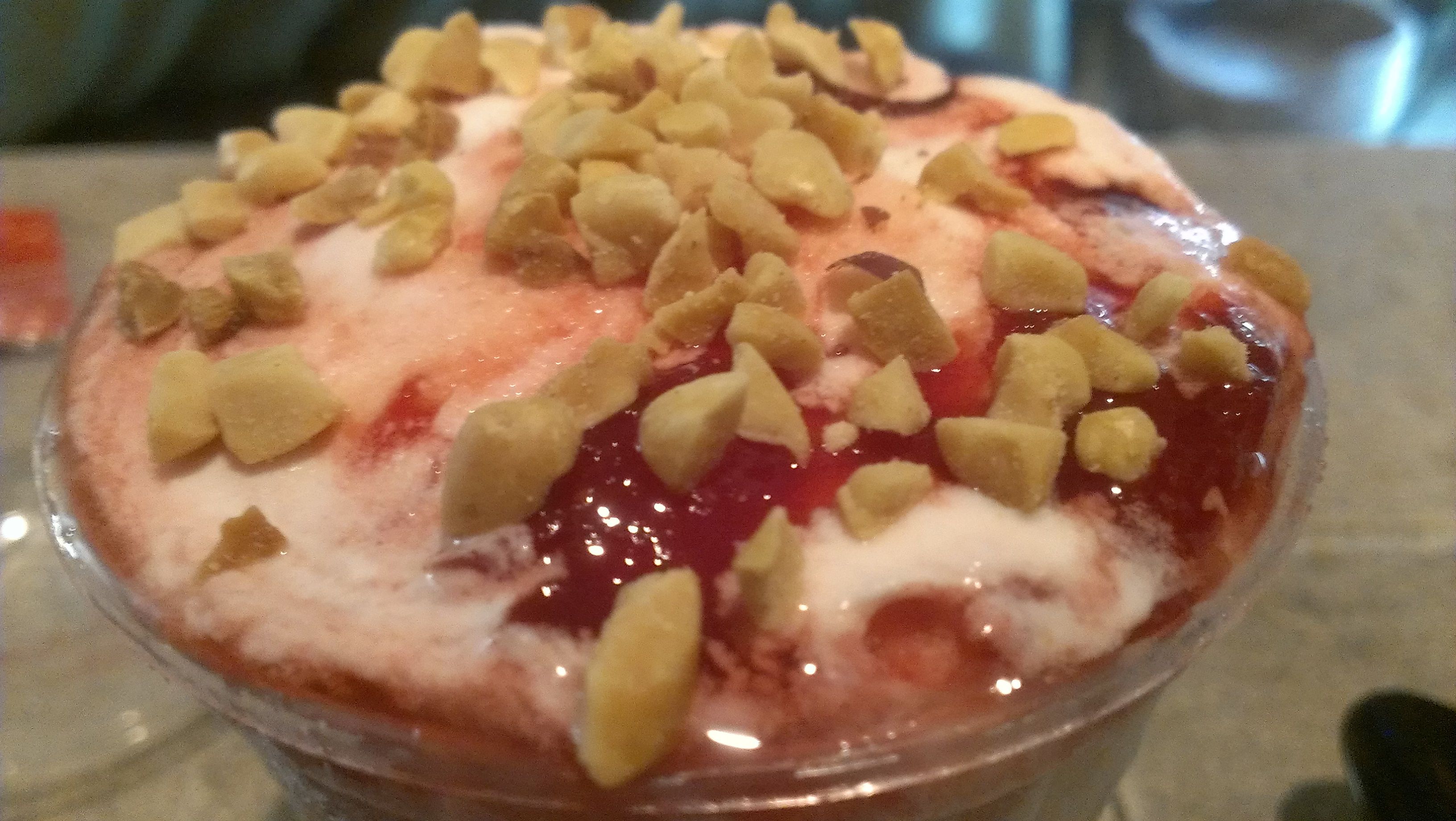
Fresh out of $1000 bills, we had to scale back our celebration of the strawberry sundae. Instead, we spent a buck and change and grabbed one from McDonald’s. I remembered that they sold sundaes, but it had been years since I’d gotten one. They were smaller than I remember, actually – but not bad. Not bad at all.

National Strawberry Sundae Day

Categories: Dairy, Desserts, Fruit | Tags: , , , , | 2 Comments

187/365: National Fried Chicken Day

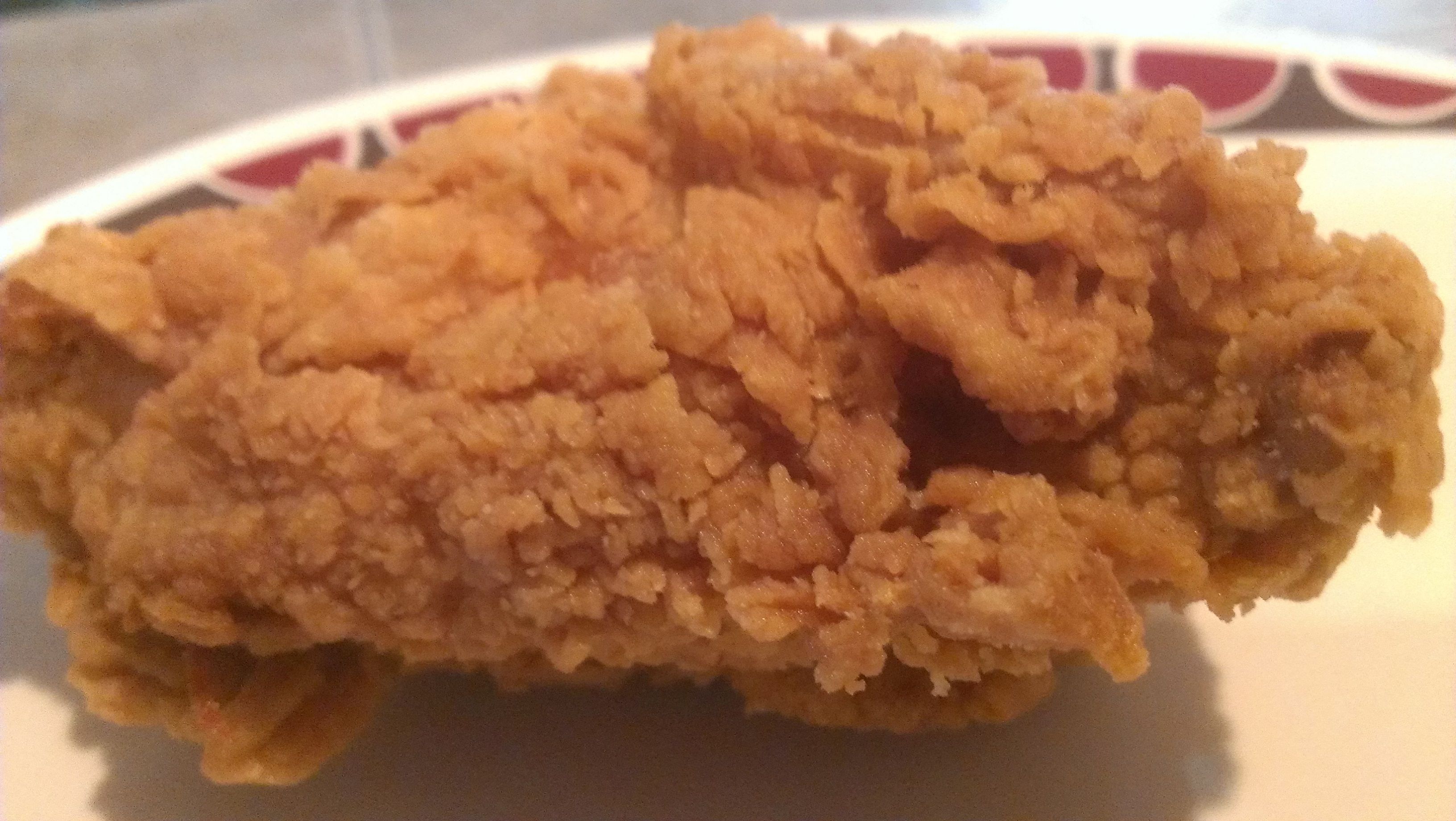
Some people like breasts. Others prefer legs. I’m a thigh man myself. Before you call me a pervert, relax – I’m talking about today’s food holiday. July 6 is National Fried Chicken Day!

Fried foods have existed since the Middle Ages, when they were known as fritters. Almost anything was breaded and fried back then, including meat, seafood, and fruit (but sadly, Twinkies wouldn’t hit the deep fryer for another 500 years or so). The Scottish traditionally deep fried chicken, whereas their European counterparts were more likely to bake or boil theirs. When Scots immigrated to America and settled in the southern U.S., they brought along their favorite fried chicken recipes. African slaves who worked as cooks took a liking to fried chicken, mainly because plantation owners allowed them to raise chickens, which were cheap and plentiful. They added their own spices and seasonings to “kick it up a notch,” as Emeril is fond of saying, and fried chicken soon became a Southern staple, often served on special occasions. The invention of the cast iron skillet and the growing use of lard as a byproduct of hog rendering plants helped spread the popularity of the dish.

In 1930, a service station owner in Corbin, Kentucky named Harlan Sanders began cooking and serving fried chicken, ham, and steaks for his customers. His dishes became so popular he opened a restaurant in a nearby motel and, over the next several years, perfected his “secret recipe” for frying chicken in a pressure fryer, with a blend of 11 herbs and spices. In 1949 his friend, the Governor of Kentucky, recommissioned him as a “Kentucky Colonel” and soon after he began wearing his distinctive trademark white suit and string tie, and grew a mustache and goatee which he dyed white to match his hair. Quite a fella, the Colonel, but it’s hard to argue with success: in 1952 he franchised Kentucky Fried Chicken and became a very rich man. KFC was instrumental in helping to launch fast food fried chicken chains.

In honor of the holiday, I wanted to make my own fried chicken. I have a recipe that’s both tried and true and tastes excellent. But we were on the go all day today, hiking up near Mount St. Helens. We got home late in the afternoon and didn’t feel like going to all the trouble of making from-scratch chicken…not when there was a Popeye’s a few miles away willing to do all the dirty work for us! I guess we should have opted for KFC since I wrote about them here, but I’ve long thought Popeye’s serves better chicken.

National Fried Chicken Day

Categories: Poultry | Tags: , , , , , , | 3 Comments

186/365: National Apple Turnover Day

You’re going to flip over today’s food holiday. The 5th of July is National Apple Turnover Day!

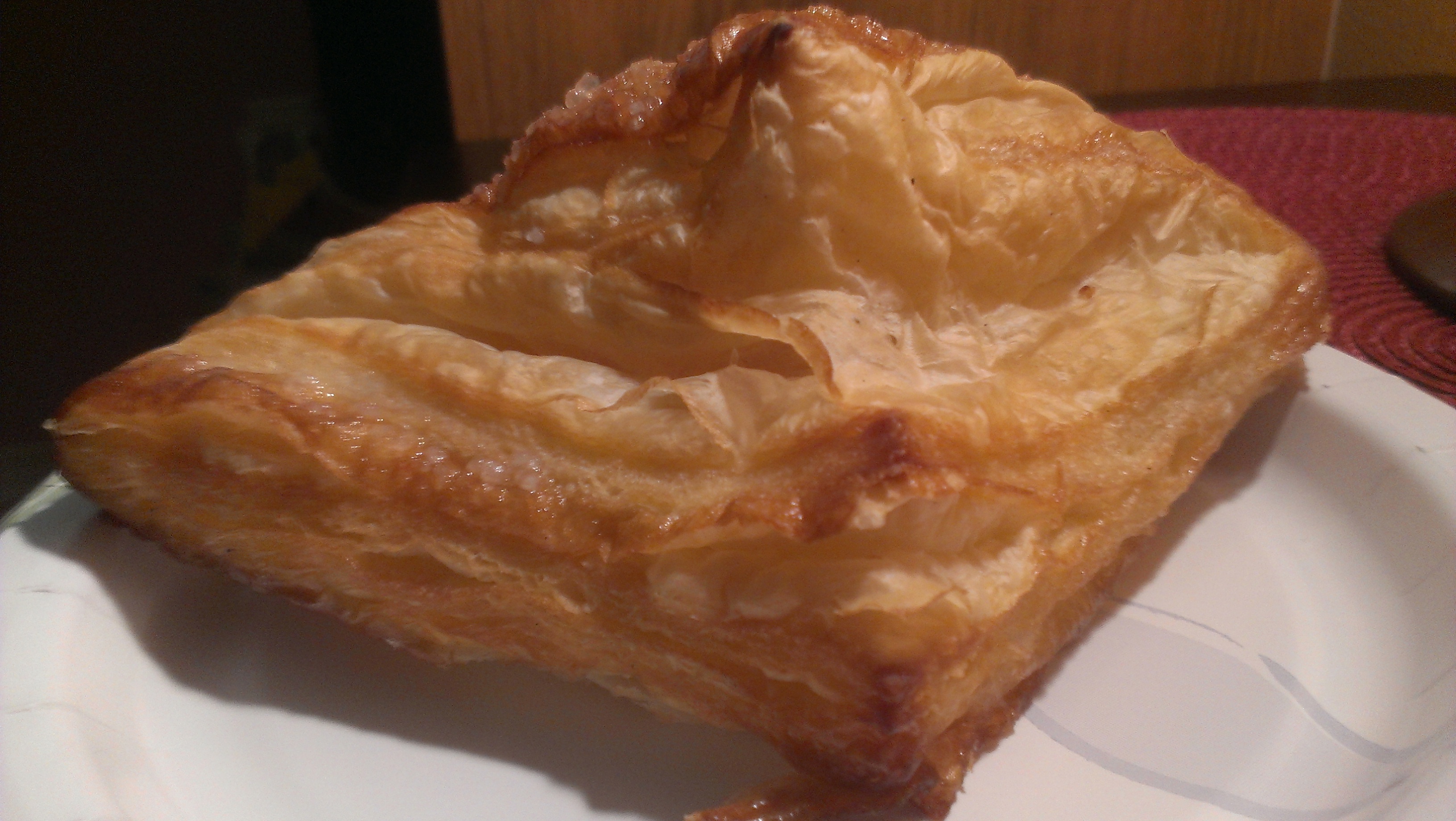
A turnover is nothing more than a portable pie – one that you can take with you wherever you go. How convenient is that? They date back to the end of the 18th Century; in 1798, the Oxford English Dictionary defined them as A kind of tart in which the fruit is laid on one half of the rolled out paste, and the other half turned over it. Turnovers can be either sweet or savory; that same year, Sporting Magazine wrote, It is occasionally used for savoury fillings, such as meat, but a sweet fruit filling is the norm, and…most turnovers are in fact apple turnovers. Alright, then. Most recipes call for tart apples like Granny Smiths, which help to offset the sweetness of the other ingredients. As for the dough, it can be made from homemade or store bought pie or puff pastry, depending on how lazy (or talented) you are.

To celebrate, we picked up some apple turnovers from the Fred Meyer bakery. They were flaky, fruity, and worthy of celebration!

IMAG1057

Categories: Desserts | Tags: , , , , | 1 Comment

185/365: National Barbecued Spareribs Day

Happy birthday to you, happy birthday to you, happy birthday dear America…happy birthday to you. Not only is it Independence Day, but the 4th of July is also National Barbecued Spareribs Day! Which is pretty fitting, when you think about it. After all, this holiday was custom made for barbecuing.

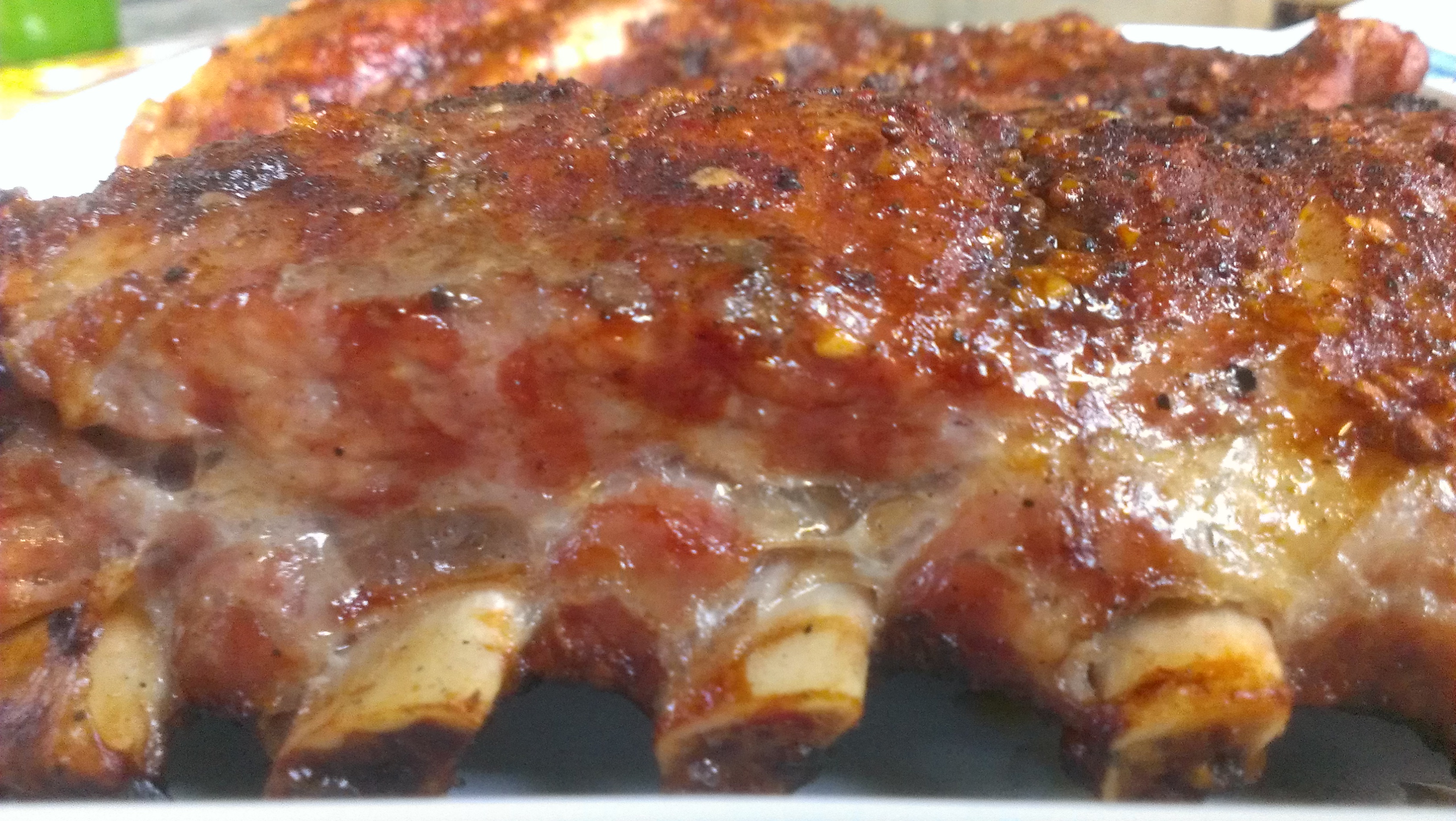
There are four types of rib cuts: baby back, St. Louis, rib tips, and spareribs. Spareribs are a combination of St. Louis and rib tips. They are flatter than baby backs, which are usually curved, but are often preferred due to their generous amounts of connective tissue and fat, which makes them flavorful. They also happen to be the least expensive cut of ribs, making them wallet-friendly. They are cut from the belly and breastbone, behind the shoulder, of a pig or cow. I’ve always preferred baby backs, while growing up, on the rare occasions that my mom would make ribs – my dad inexplicably does not care for them – she’d cook spareribs. No matter the type of rib, though – it’s gotta be pork in my book. When it comes to barbecuing spareribs, you can opt for either a dry rub or a sauce. Or go crazy, and do both!

To celebrate, we fired up the grill and barbecued spareribs using an applewood rub that we have recently discovered and fallen in love with. They were tender, meaty, and delicious!

National Barbecued Spareribs Day

Categories: Pork | Tags: , , , , , , | 3 Comments

184/365: National Eat Beans Day

Today’s holiday is good for the heart. The more you eat, the more you…

I’ll let you fill in the blank. July 3 is National Eat Beans Day!

Beans are one of the oldest cultivated plants in human history. They were grown for thousands of years B.C., and even predate ceramic pottery – meaning ancient people were cooking beans before they had anything to eat beans out of. They were an important source of protein since waaaay before the Dark Ages, and remain so to this day. The most common edible bean, of the genus Phaseolus, is native to America; several varieties were domesticated before Christopher Columbus ever landed on these shores. Native Americans practiced the “three sisters” method of agricultural cultivation, planting maize, squash, and beans in the same place, utilizing natural resources in an environmentally responsible way. Al Gore would be proud. Beans are a heliotropic plant, meaning the leaves turn toward the sun during the day, and then fold up at night.

As for the old children’s rhyme, many beans contain oligosaccharides, sugar molecules that are also found in cabbage. The human digestive tract does not have any anti-oligosaccharides enzymes, crucial for properly digesting these molecules, so bacteria in the large intestine feast on them instead. The result? The reason why beans are considered “the magical fruit.” The more you eat, the more you toot.

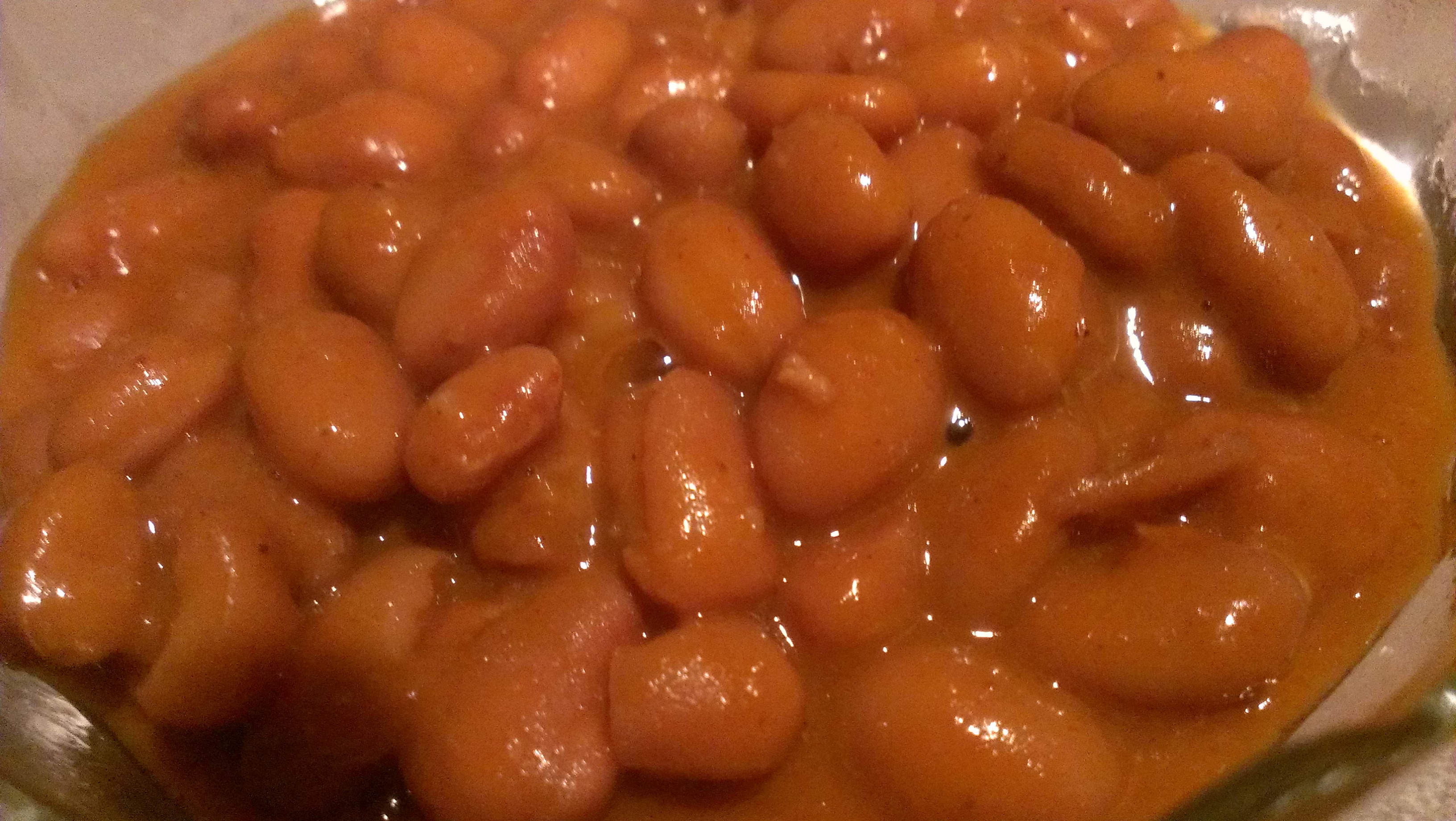
Tooting aside, I love beans! But Tara does not. This is what you’d call an honest-to-goodness conundrum. But she was game enough to go along and at least try a forkful. We barbecued hot dogs and had beans on the side. Beans ‘n franks, man. It’s a classic combo.

National Eat Beans DAy

Categories: Too Weird to Categorize | Tags: , , , , | Leave a comment

Create a free website or blog at WordPress.com.